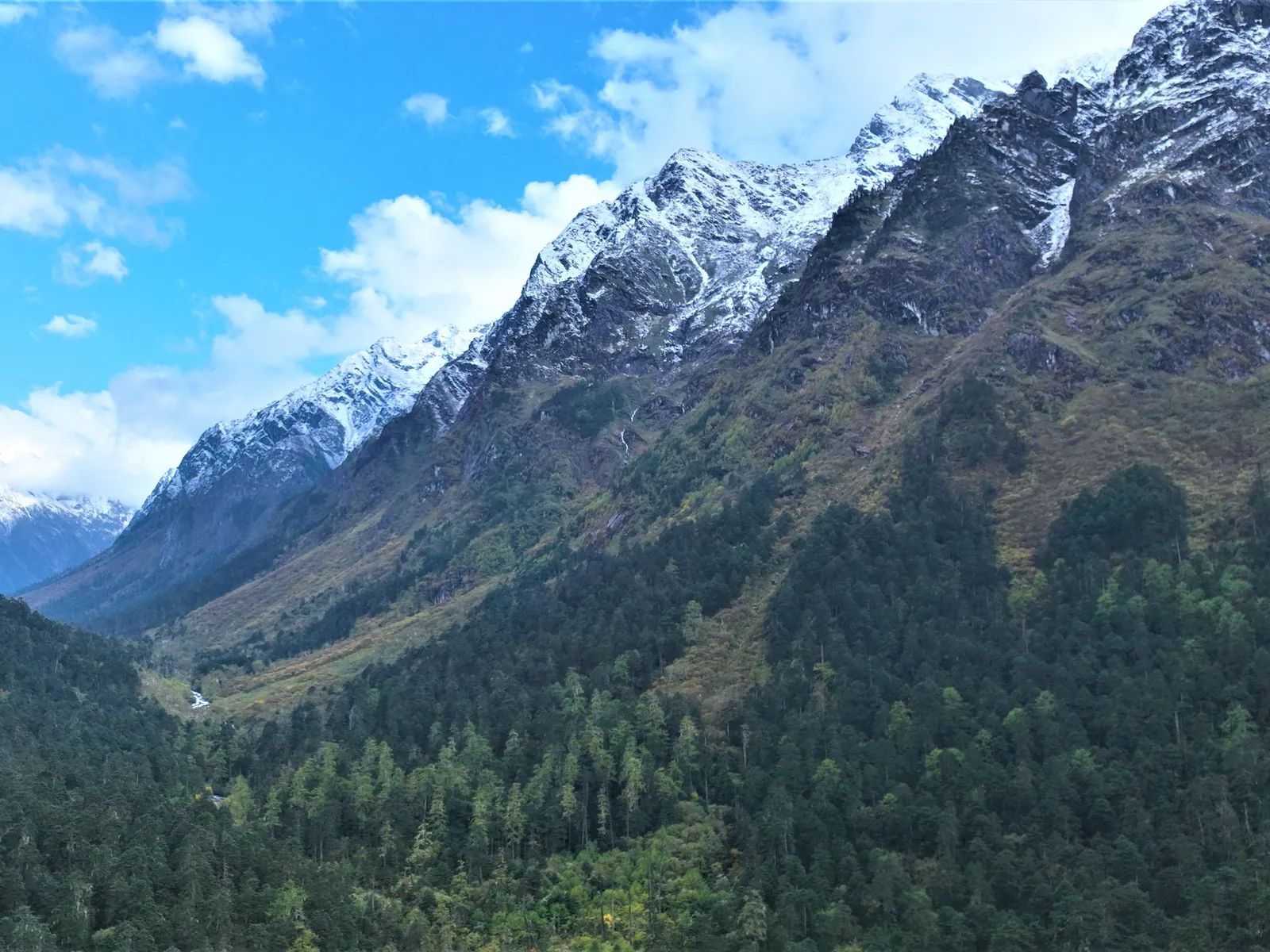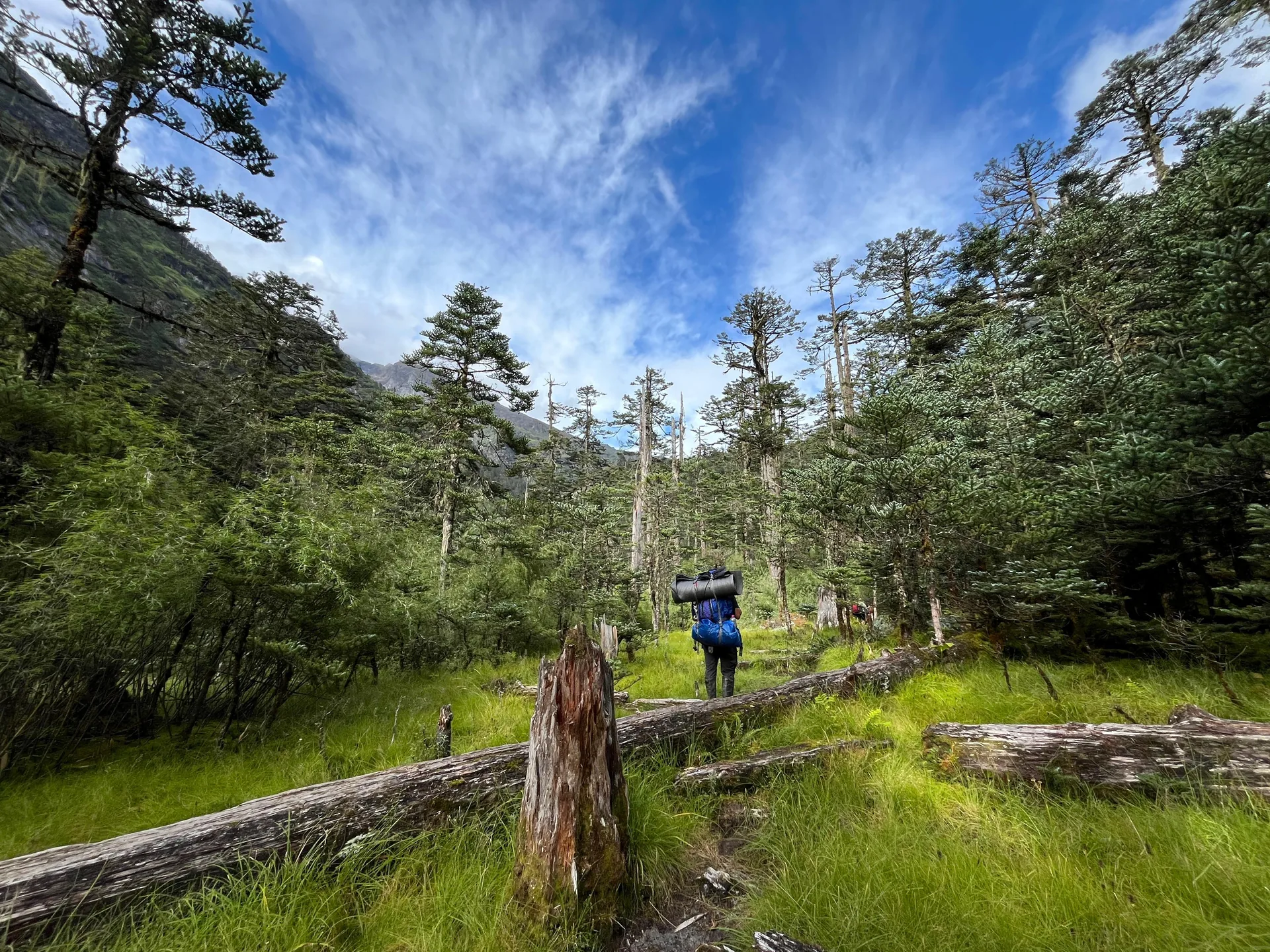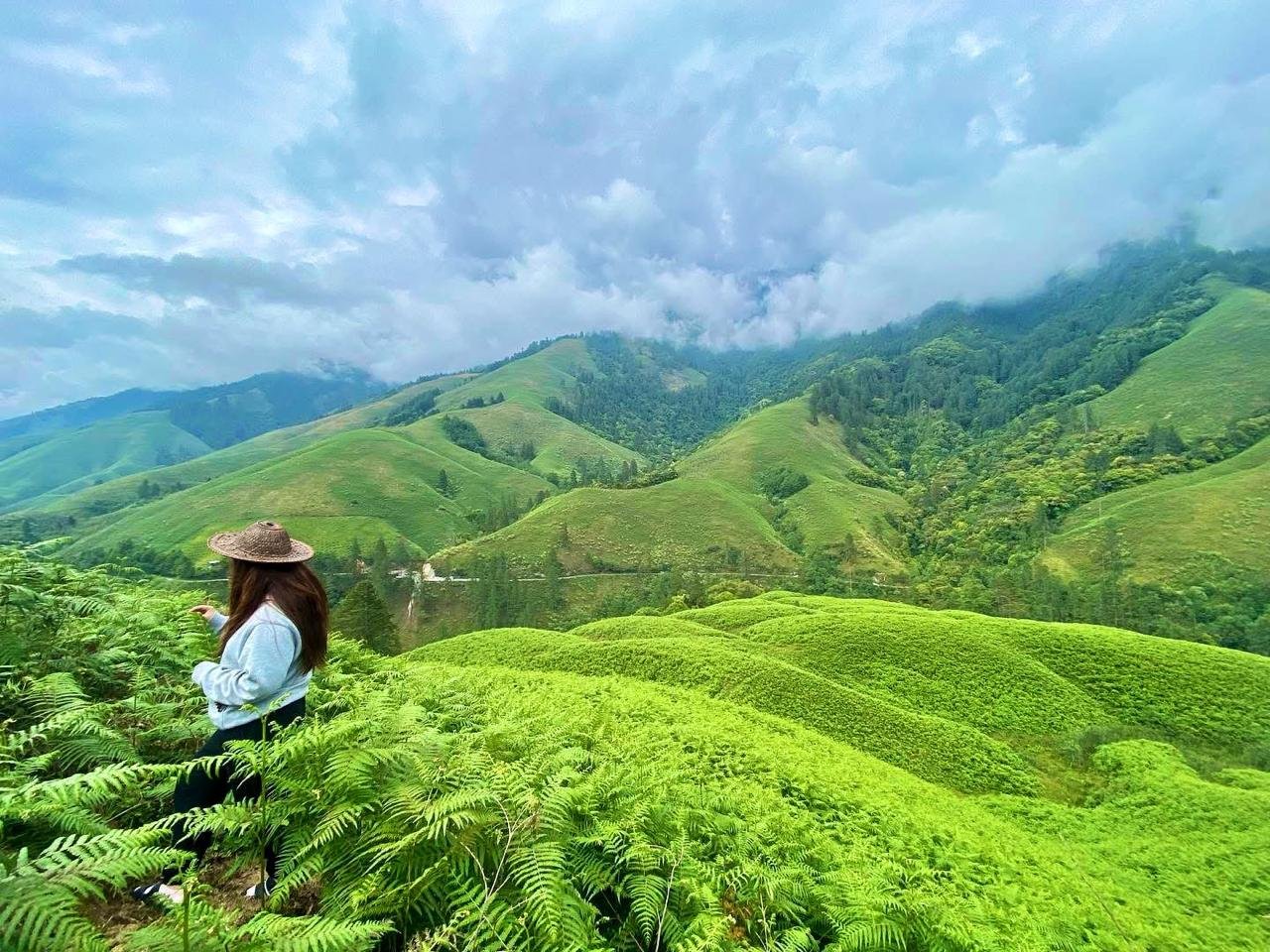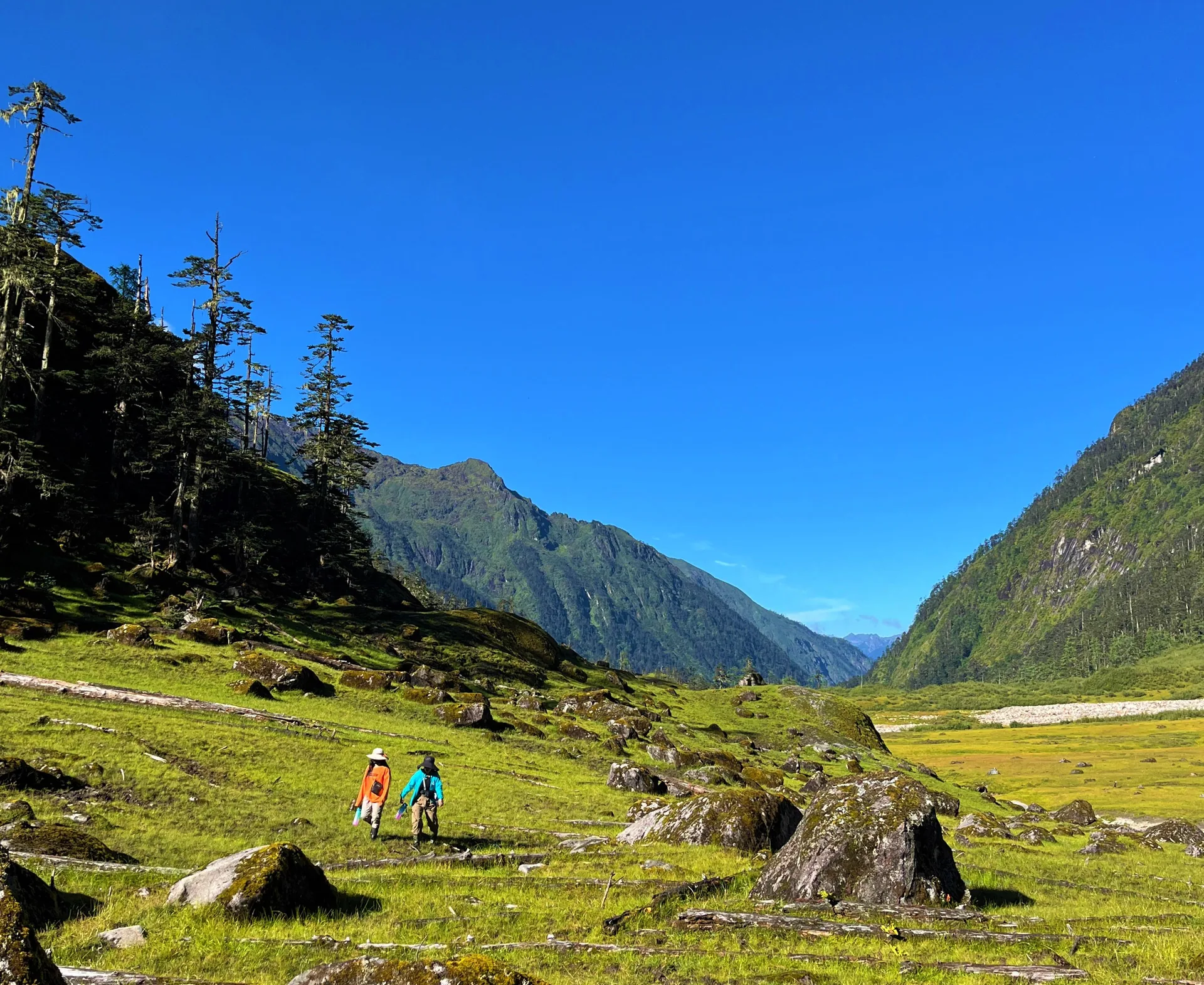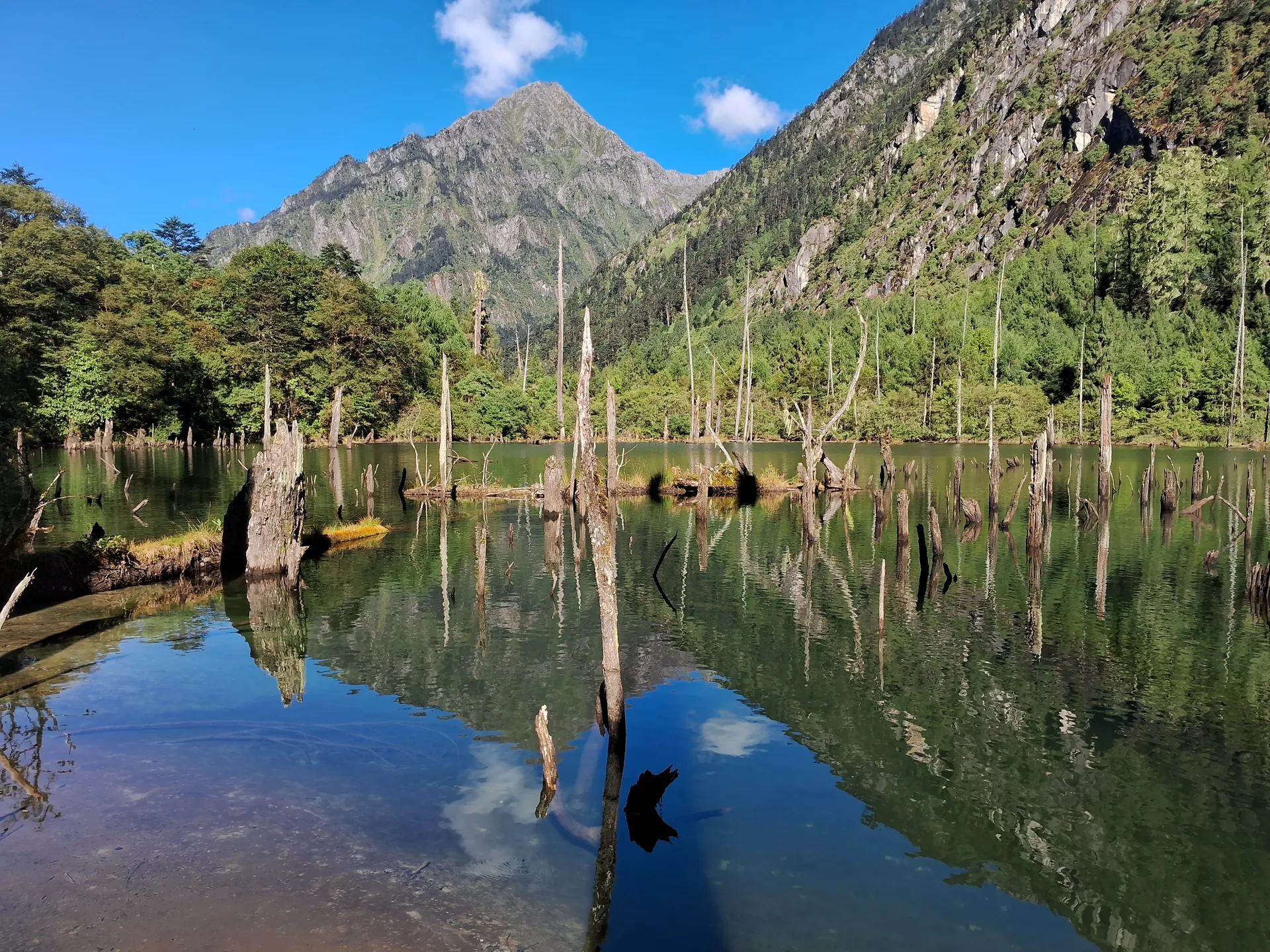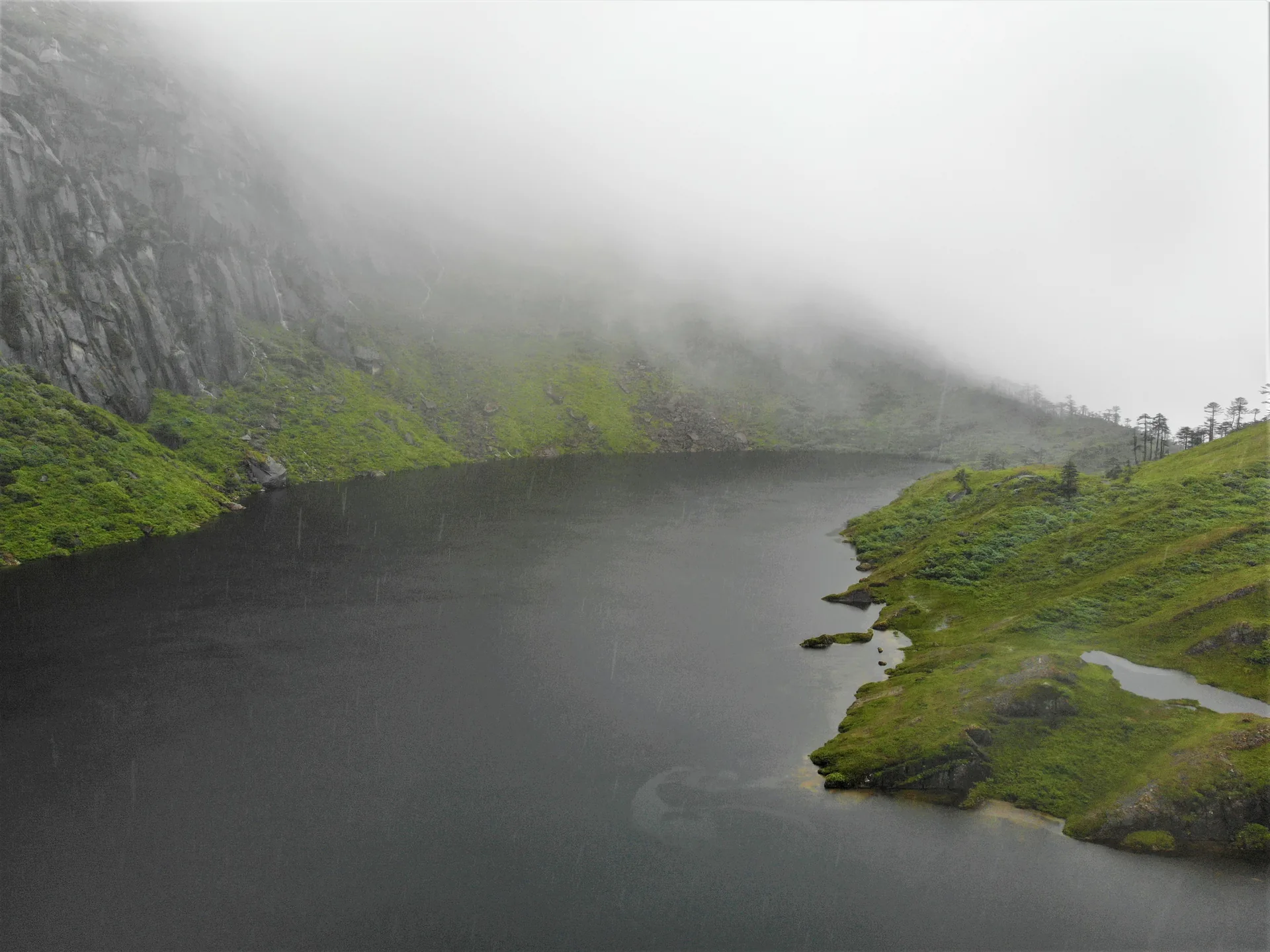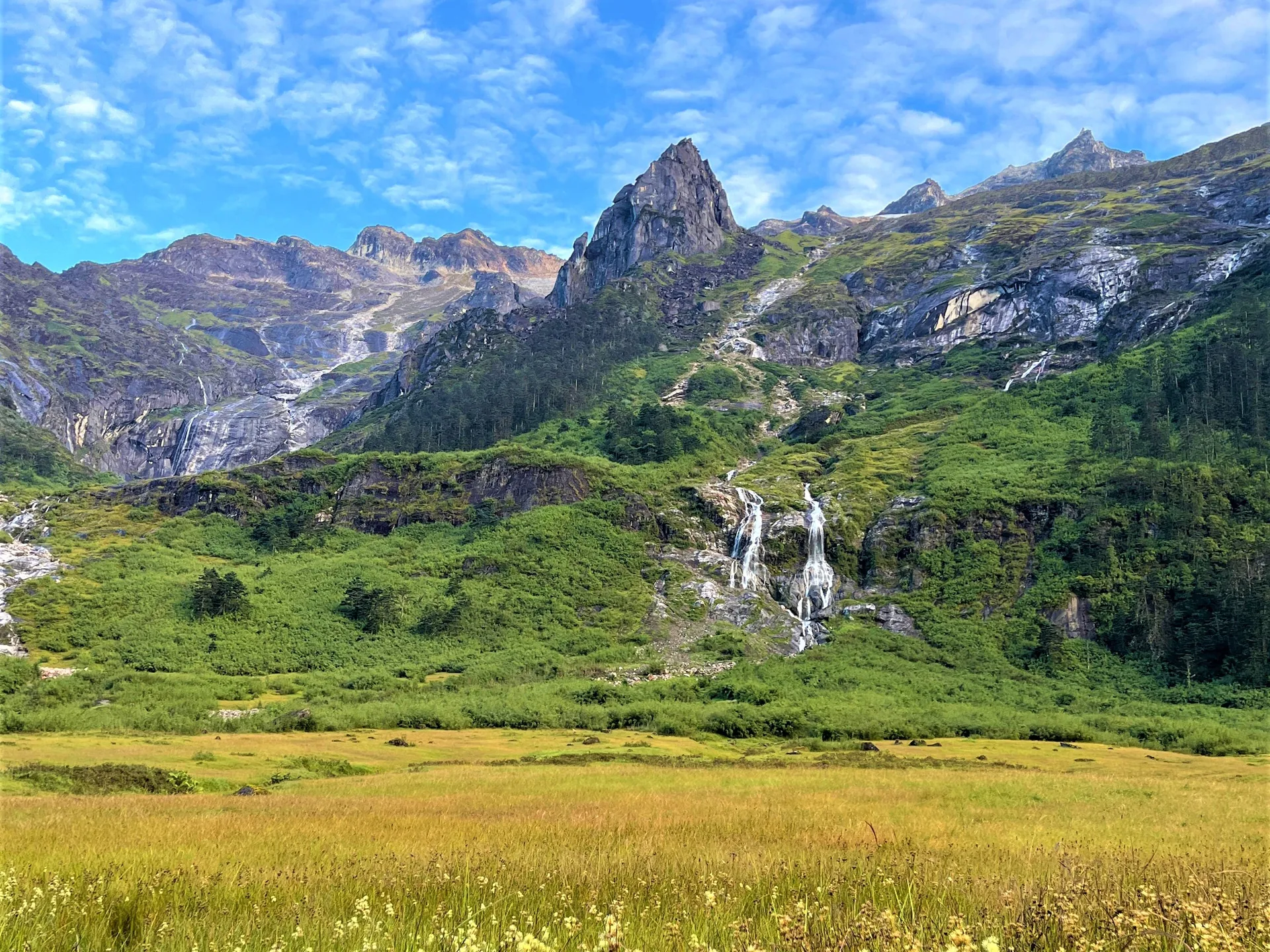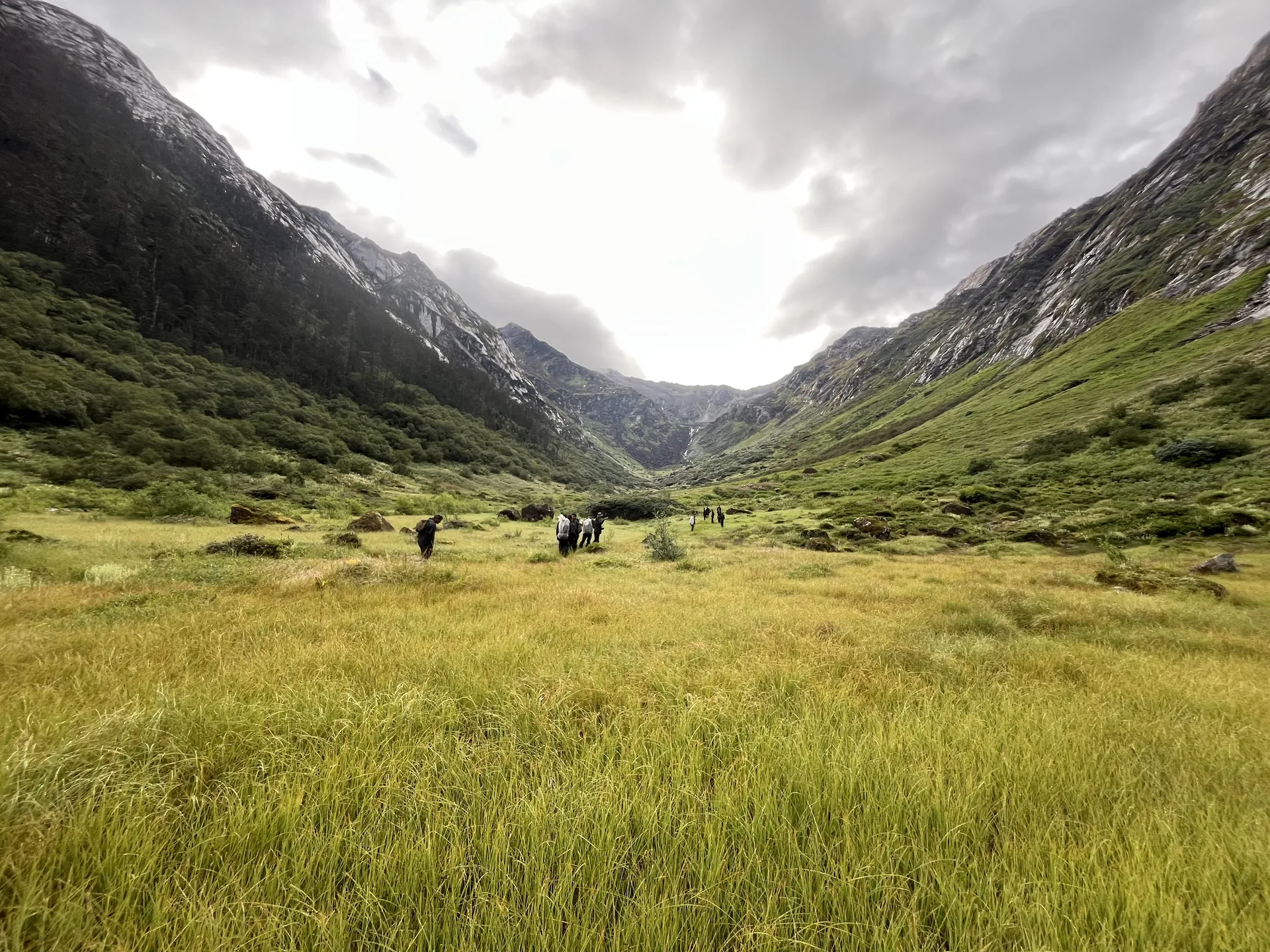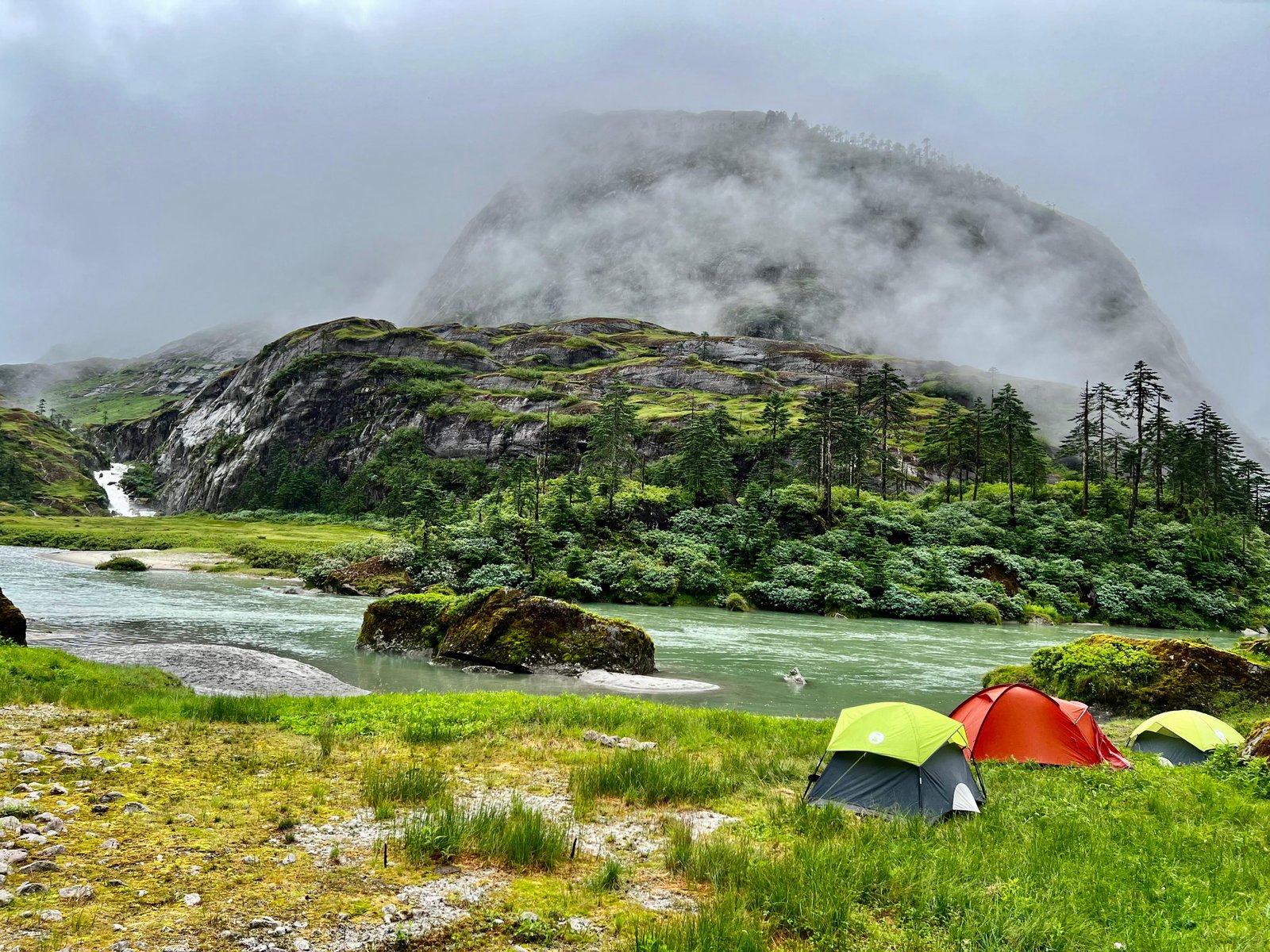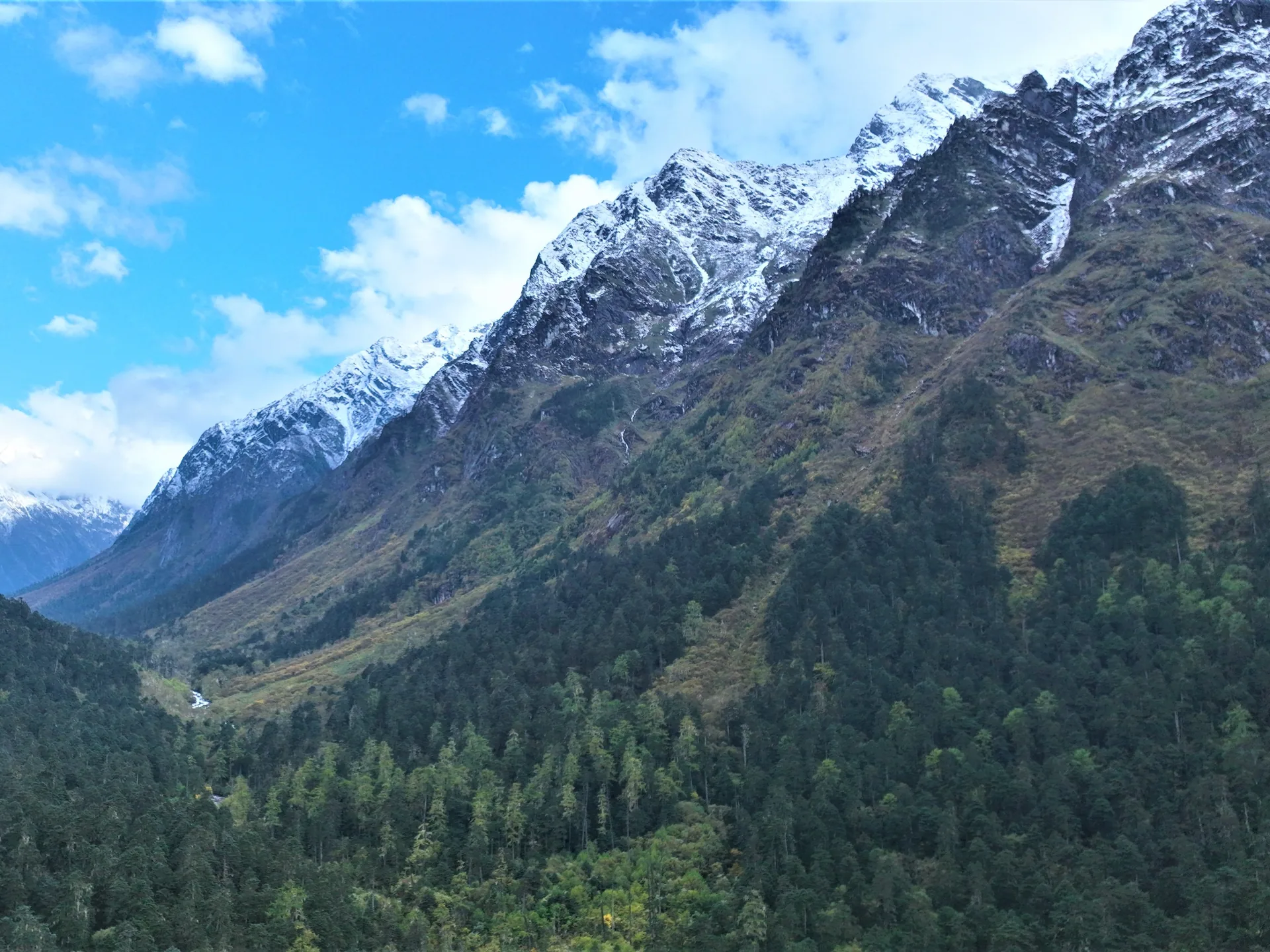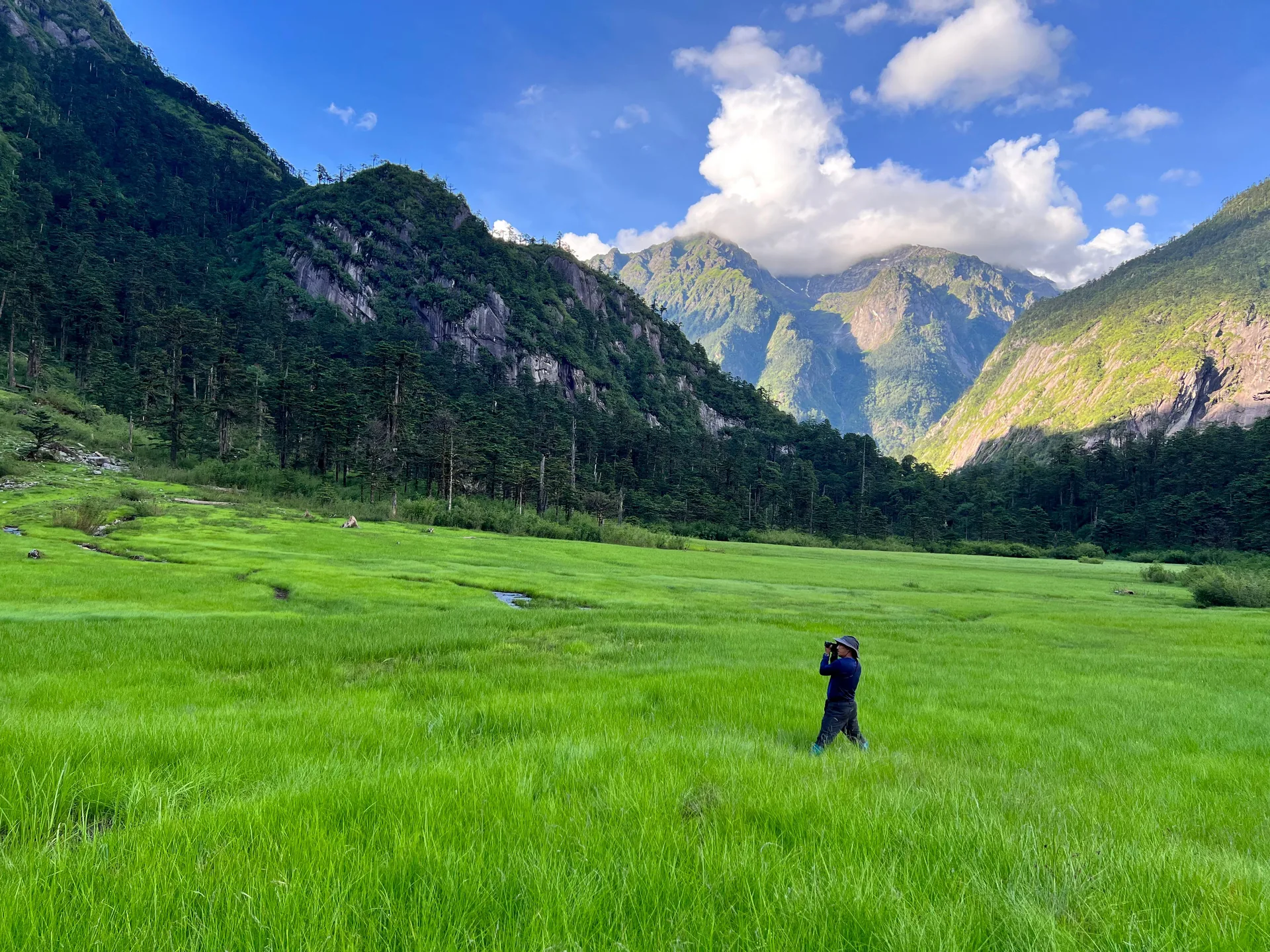
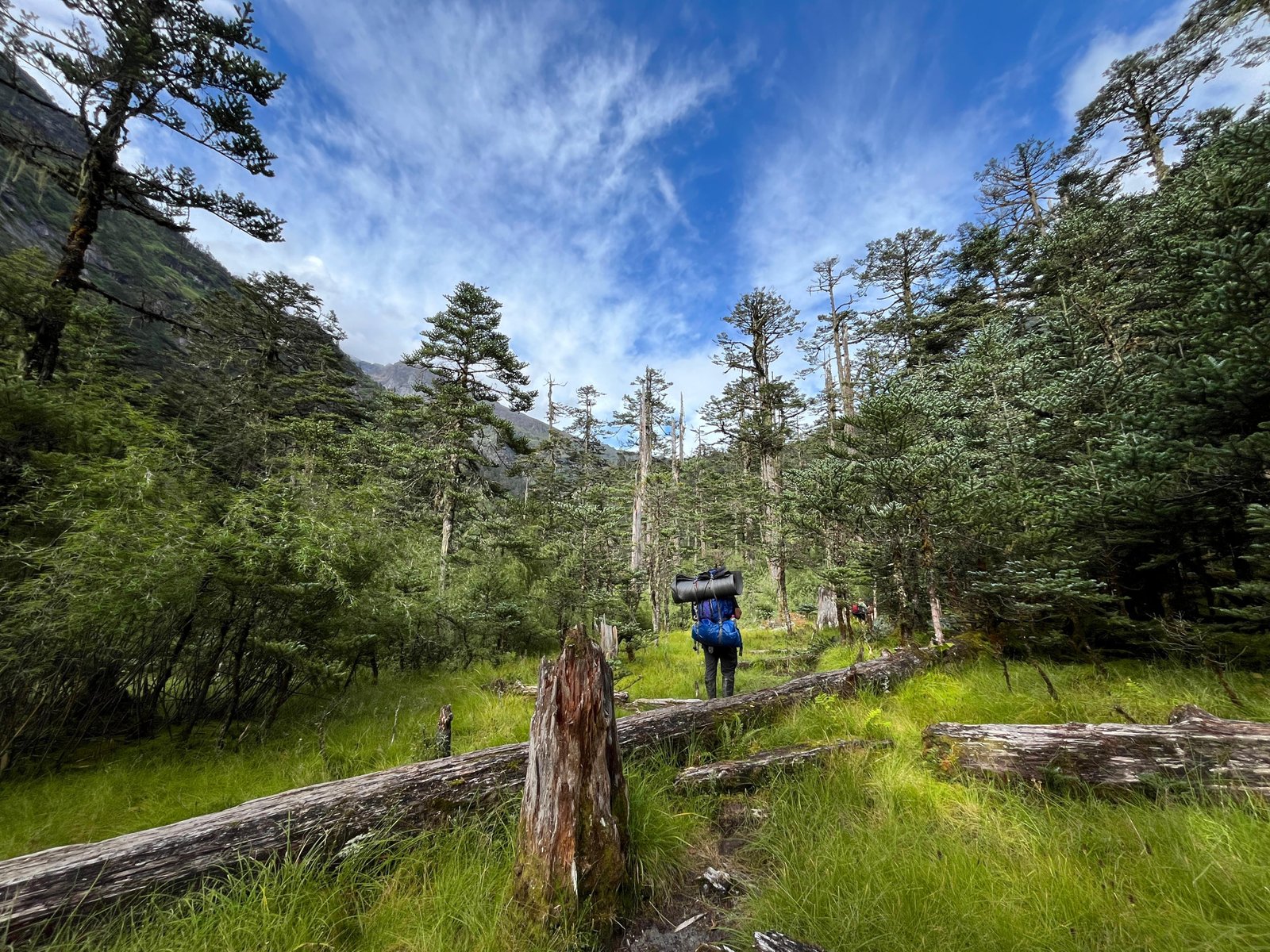
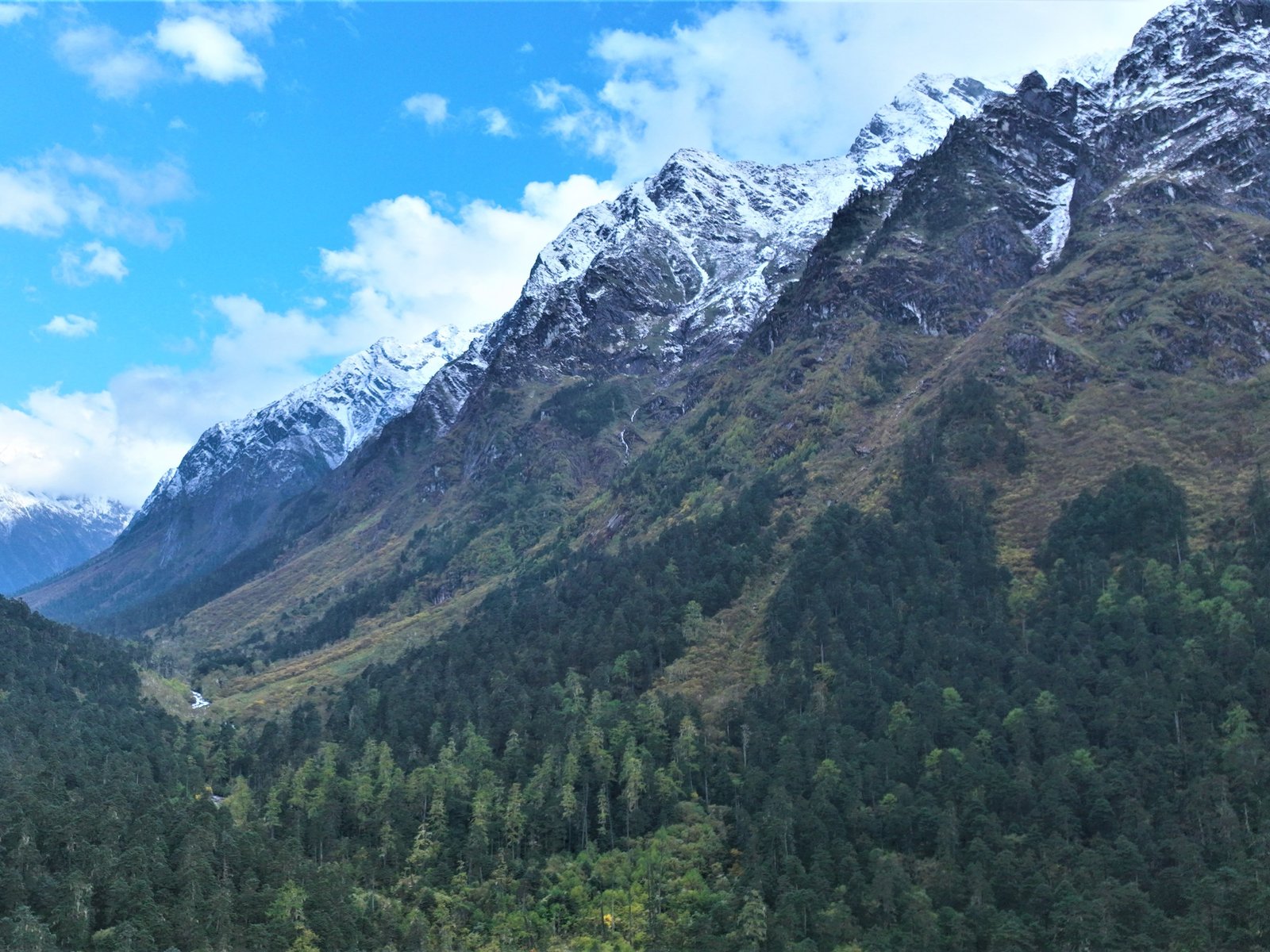
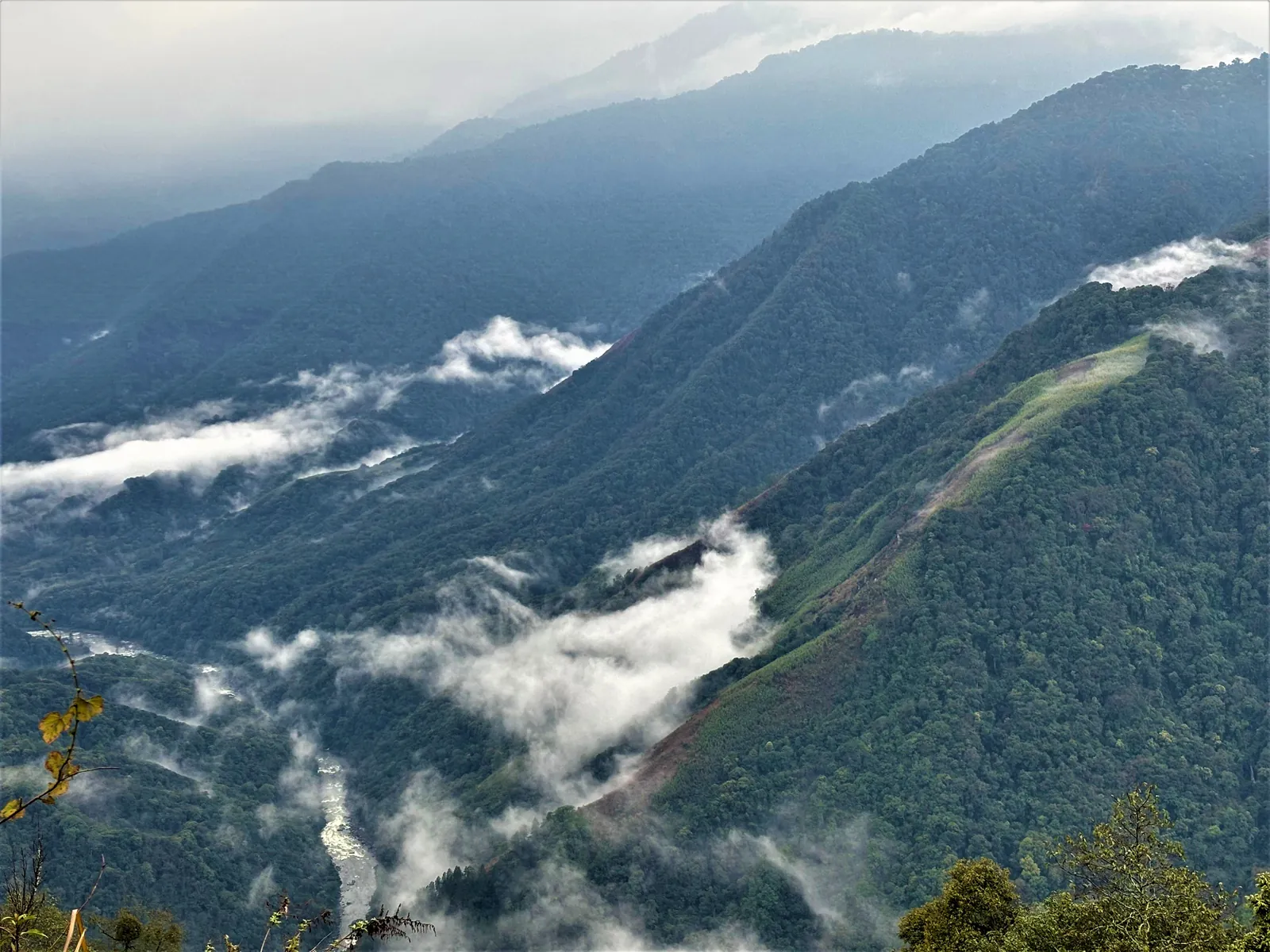
Dibang Valley landscape near Anini, Arunachal Pradesh Anini landscape in Arunachal Pradesh Cane bridge over the Dri River in Dibang Valley Lush grassland in Dibang Valley Lush grassland in Dibang Valley Lush grassland in Dibang Valley Lush grassland in Dibang Valley Lush grassland in Dibang Valley Lush grassland in Dibang Valley
Dibang Valley District · Arunachal Pradesh

Anini

Explore beyond the ordinary

8,004
District population
0.88/km²
Approx. density
1,968 m
Altitude
Visitors
9,129 km²Larger than Goa
Idu MishmiAncestral homeland
235 kmRoing to Anini
ATOAI 2025Emerging adventure award

Explore Anini
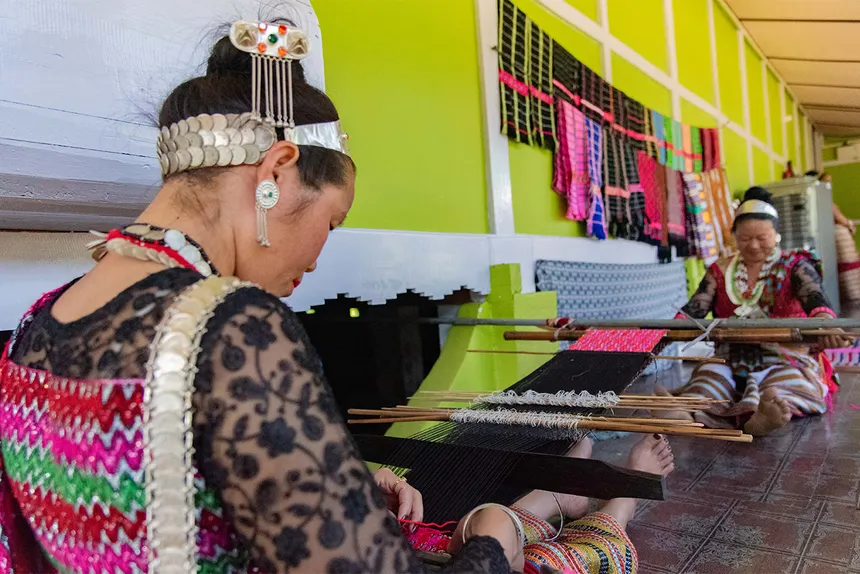
Idu Mishmi woman weaving traditional coat on backstrap loom — RIWATCH Museum
Idu Mishmi

Culture & Heritage

Voice of the past, the Igu priesthood, tiger kinship, handloom patterns, rice beer and sacred sites form the centre of this story.
Mayodia Pass on the route toward Anini
The Journey

Tourism & Travel

Mayodia Pass, the Roing-Anini road, permits, seasons, village stays and the realities that make the journey slow and memorable.
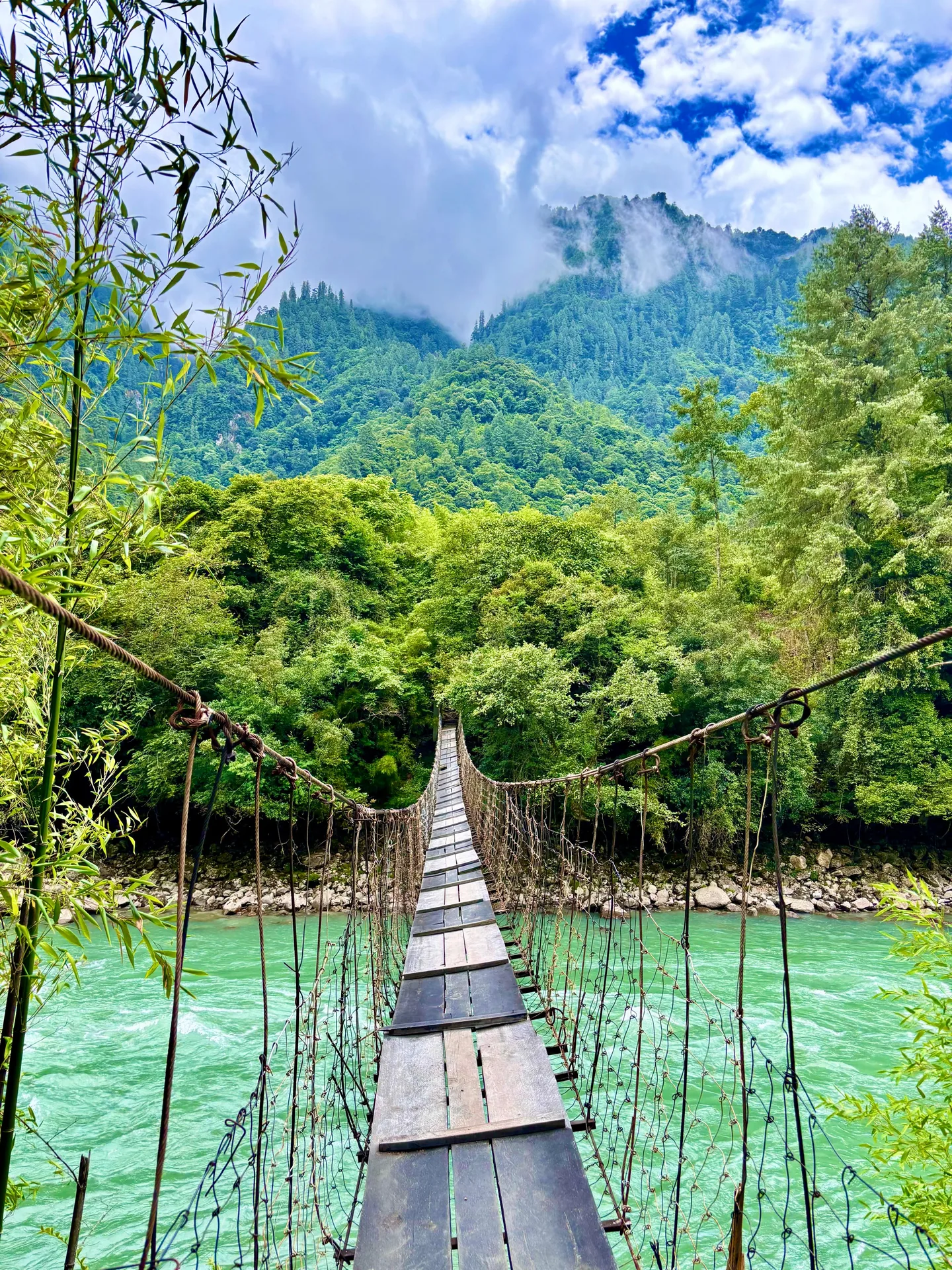
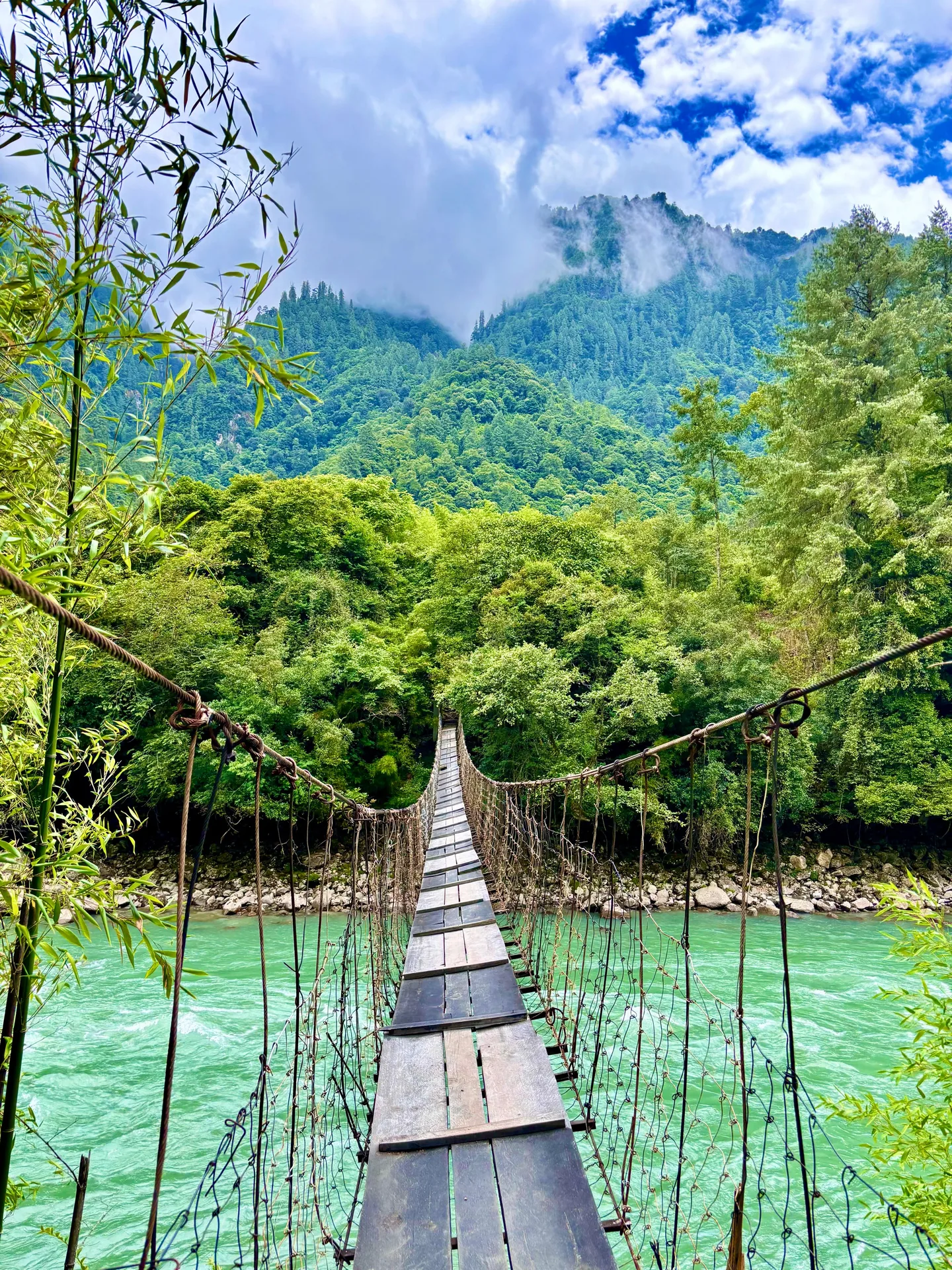
Cane bridge over the Dri River in Dibang Valley
The Encounter

First-Person Experiences

What stays with travellers is the peace, mountain weather, memorable road journeys, warm family kitchens and the respect of asking before entering another community's world.
Anini district headquarters and administration area
The Future

Economy & Development

Agriculture, craft, eco-tourism, roads, power and research centres.

Idu Mishmi material culture from Anini village

Culture & Heritage

Idu Mishmi : Keepers of living heritage

District cultural histories describe the Idu Mishmi as having migrated south from Tibet through the Dibang and Lohit valleys, with clan memories tied to routes, rivers and first-light landscapes. They are one of Arunachal Pradesh's recognised tribal communities, identifiable through language, dress, ritual practice and strong memory of movement through mountain corridors.

Their language belongs to the Tibeto-Burman family and much knowledge has traditionally lived in voice: genealogy, ritual chants, cautionary stories, place names, hunting ethics, agricultural memory and the rules of hospitality. A culture like this is not stored only in monuments; it is stored in performance, repetition and consent.

At the centre is the Igu, the ritual specialist often described as a shaman-priest. The Igu is not born into the role — aspiration comes first through dreams, followed by years of apprenticeship under an experienced practitioner. Each Igu maintains a relationship with a personal tutelary spirit called drawn, who guides diagnosis, ritual and healing. Igu ceremonies can last hours or days, involving chants in a dedicated shamanic register of the Idu language — one of at least seven distinct registers, including those for hunting, mediation, mourning and cursing. In Idu Mishmi life, the natural world is not scenery around culture. It is part of the social order.

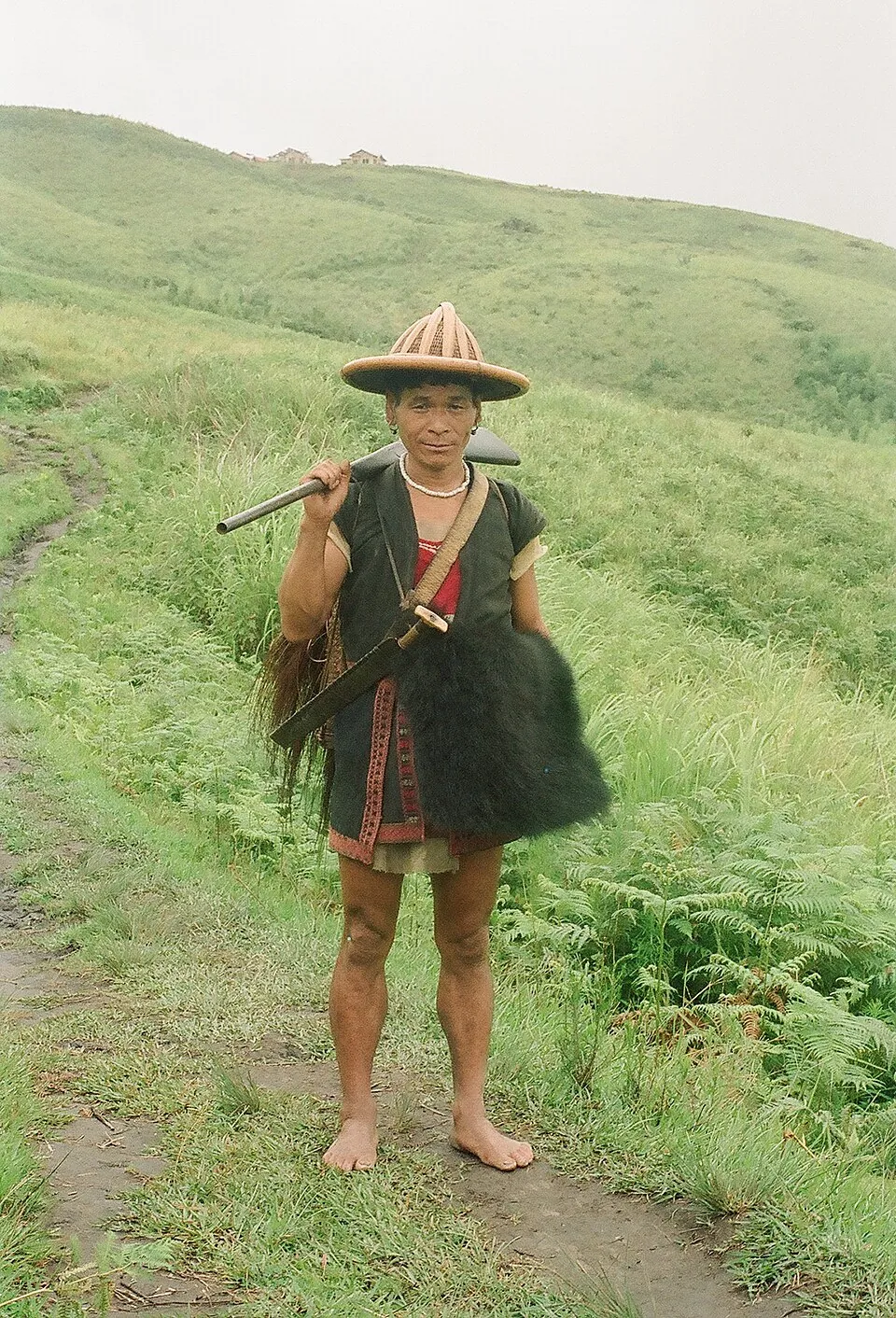
Idu Mishmi man on track from Anini
Idu Mishmi woman weaving Etonwe coat on backstrap loom — RIWATCH
© RIWATCH Museum · Wikimedia CC
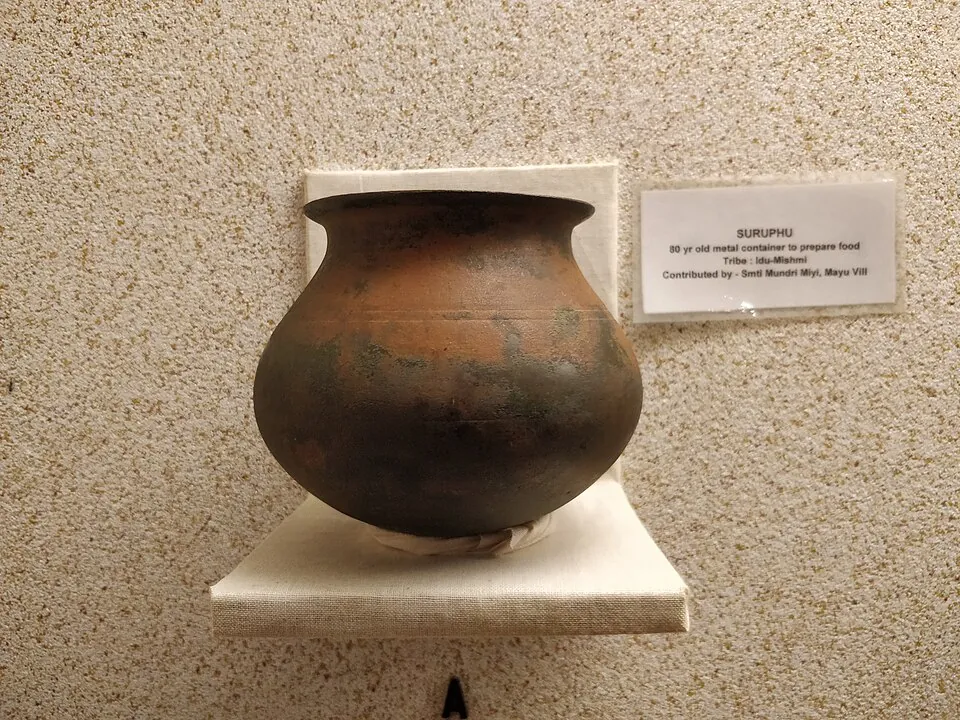
Idu Mishmi cultural object from Lower Dibang Valley
Wikimedia Commons CC

Language as an archive

Because memory was carried orally, speech itself became a cultural archive. Place names, ritual vocabulary, kinship terms and chants preserve ecological knowledge that a traveller will miss if Anini is treated only as scenery.

Sacred geography

Sites such as Athu-Popu are not simply attractions. They are part of a mapped moral world, where rocks, rivers, passes and forests hold stories about origin, obligation and restraint.

Traditions and Beliefs

Tigers are elder brothers

In Idu origin stories, a woman gave birth to two sons: the elder, Apiya, was a tiger; the younger, Mishmi, was a human. This kinship means killing a tiger is not merely taboo — it is something closer to fratricide. Scientific surveys have estimated as many as 52 adult tigers in Dibang Valley, up to 90% of them living in Idu community forests rather than the official wildlife sanctuary. The Idu Mishmi have resisted the state's proposal to convert the Dibang Wildlife Sanctuary into a Tiger Reserve, arguing that their kinship ethic has protected tigers for generations without needing state ownership of their land. Ambika Aiyadurai's ethnographic research (Tigers Are Our Brothers, OUP) documents how this cultural conservation stands in direct tension with the state's legal framework.

The Igu keeps balance

The Igu is not a hereditary priest in the simple sense: a man first receives inspiration through dreams, then serves an apprenticeship under an experienced Igu. Each Igu has a tutelary spirit called drawn who guides diagnosis and ritual. Ceremonies can last hours or days — described by ethnographers as dialogues rather than performances, where the Igu negotiates with spirits on behalf of the community. The Idu language itself has distinct registers for shamanic chanting, hunting, cursing, mediation, mourning and even humour — an oral architecture built for a world where speech carries sacred and legal weight.

Weaving carries identity

The Idu Mishmi tribe has a rich tradition of weaving, primarily practiced by women using simple looms such as the backstrap loom. Unlike sarees, the Idu Mishmi do not traditionally wear a draped saree; instead, they create and wear distinctive garments suited to their lifestyle and climate. Women typically wear a woven skirt called "Ege", paired with a blouse and a richly patterned shawl known as "Yeh", while men wear a wrap-around cloth called "Gale" along with a coat-like garment. Another important textile is the ceremonial shawl, often intricately designed and worn during rituals and festivals. These clothes carry deep cultural significance, with patterns sometimes representing clan identity and social status.

Bamboo and cane are architecture

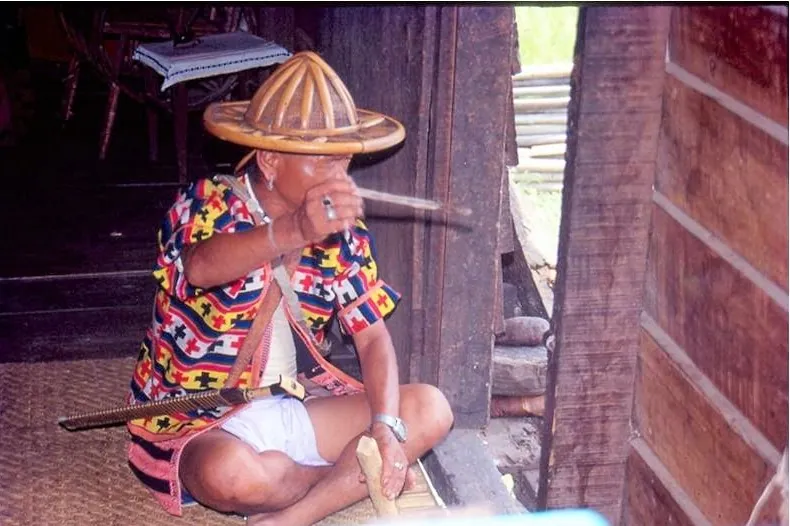
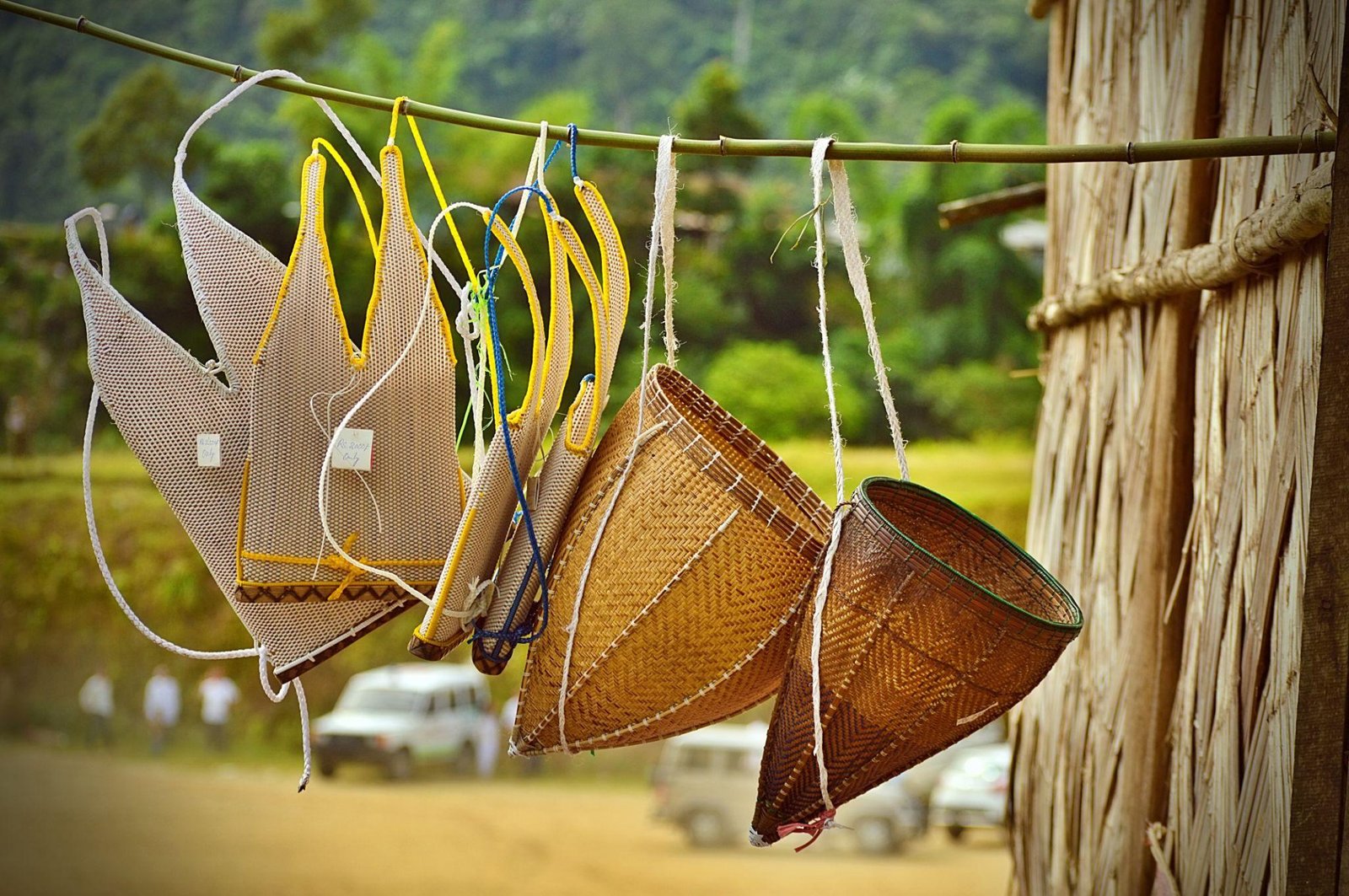
The bamboo-and-cane architecture of the Idu Mishmi tribe of Arunachal Pradesh is a fine example of sustainable, climate-responsive vernacular design, in which houses are typically built on raised stilts from locally available bamboo, cane and timber. Beyond architecture, bamboo and cane are central to Idu Mishmi material culture, used to craft everyday items such as the traditional bamboo cap known as "Bopa" (protective headgear worn especially by men) and various utility items like "Igu" (baskets for carrying goods), "Ena" (storage containers) and fishing and hunting implements — showcasing the tribe's deep knowledge of forest resources and their skill in bamboo and cane craftsmanship.

Culture in daily life

Identity among the Idu Mishmi is expressed through textiles, beadwork, hairstyles and ceremonial attire, each reflecting belonging, skill and cultural continuity. Food is equally significant, with meals centred on rice, pork, bamboo shoots, herbs and apong serving as expressions of kinship, hospitality, seasonal rhythms and connections to the land. Deep knowledge of forests, weather, terrain and useful plants forms a practical intelligence shaped by generations of living in a rugged, biodiverse landscape. Ritual life, meanwhile, remains an integral part of community identity, with chants, offerings, taboos and priestly traditions carrying meanings that extend far beyond public festivals and are best approached with respect, consent and cultural understanding.

Hospitality

Rice, millet, pork, bamboo shoots and apong (rice beer) are offered with pride — the district cultural profile notes that food and rice beer are stocked two to three months ahead for ceremonies and taboo days. Accepting hospitality means accepting boundaries: ask before photographing, entering, recording, or interpreting.

Festivals

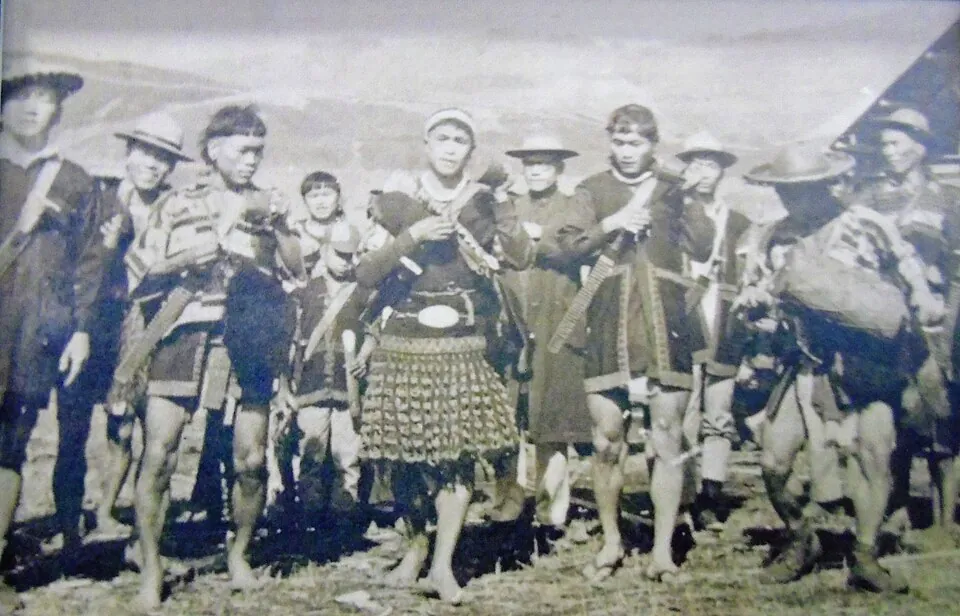
2nd community Reh festival of Idu-Mishmi tribe at Anini, 1968 — RIWATCH Museum
1–2 February, every year

Reh — the great festival of gratitude

The largest and most significant cultural event of the Idu Mishmi, celebrated annually on 1st and 2nd February. The Igu opens proceedings with prayers to creator beings including Maselo-Zinu and Nani Intaya. Dance, song, food, apong and formal gathering follow. Recent high-profile attendance has raised visibility, but Reh is first a community ritual of gratitude and continuity.

Idu Mishmi shaman Igu offering holy water to goddess Nani Intaya — RIWATCH
24 September, every year

Ke-Meh-Ha — harvest, renewal and sacrifice

The second major Idu festival is observed on 24 September and is associated with the new harvest, especially newly harvested rice. It is less visible to outsiders than Reh, which makes respectful local guidance especially important.

Orange Festival of Adventure and Music (OFAM) in Dambuk, Arunachal Pradesh
November, every year

Orange Festival of Adventure and Music (OFAM)

The Orange Festival of Adventure and Music (OFAM) in Dambuk showcases Arunachal Pradesh's unique blend of adventure, culture and sustainability. Alongside emerging destinations such as Anini, known for its pristine landscapes and rich Idu Mishmi heritage, the festival strengthens the state's reputation as a premier destination for eco-tourism and immersive cultural experiences.

Local Cuisines

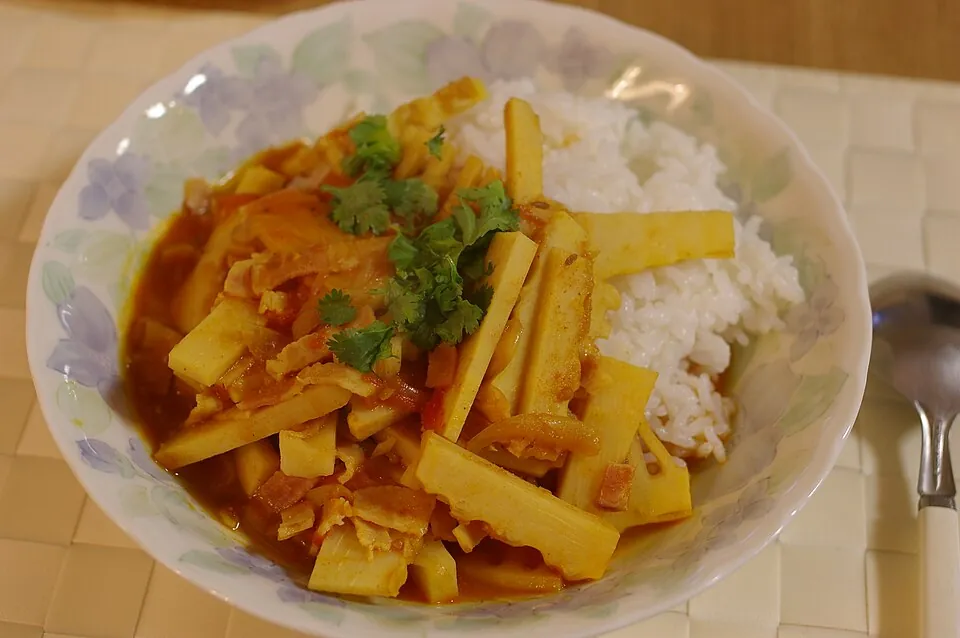
Bamboo shoot curry served on rice

Smoked and dried foods

Idu Mishmi food traditions commonly preserve meat and fish by smoking or drying over the fireplace. Bamboo shoot, herbs, rice, maize, millet and local vegetables appear often in home kitchens and homestay meals.

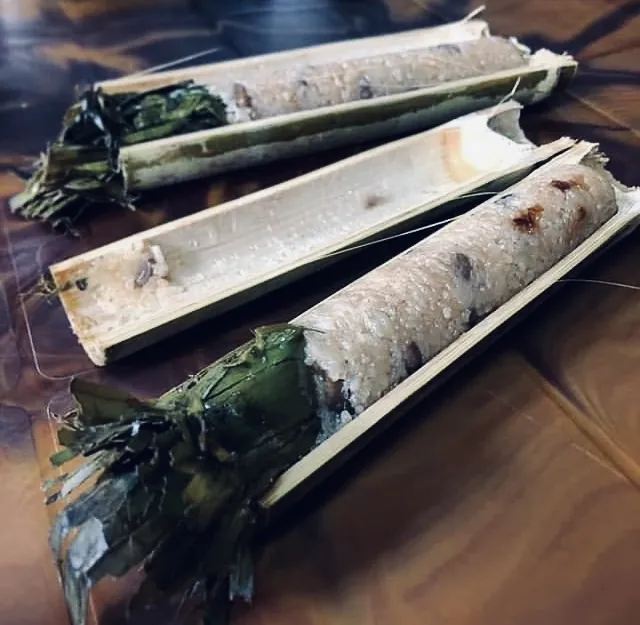
Rice cooked in bamboo, a common style in Northeast India

Yu / apong-style rice beer

Home-brewed rice beer is a familiar part of Idu Mishmi hospitality and ritual life. Treat it as a social offering rather than a novelty and follow the host's cues.

Bamboo shoot pickles with and without chilli

Bamboo shoot curry

Fermented bamboo shoots cooked with local herbs and pork or river fish. The taste is pungent and sharp — entirely unlike anything from a city supermarket.

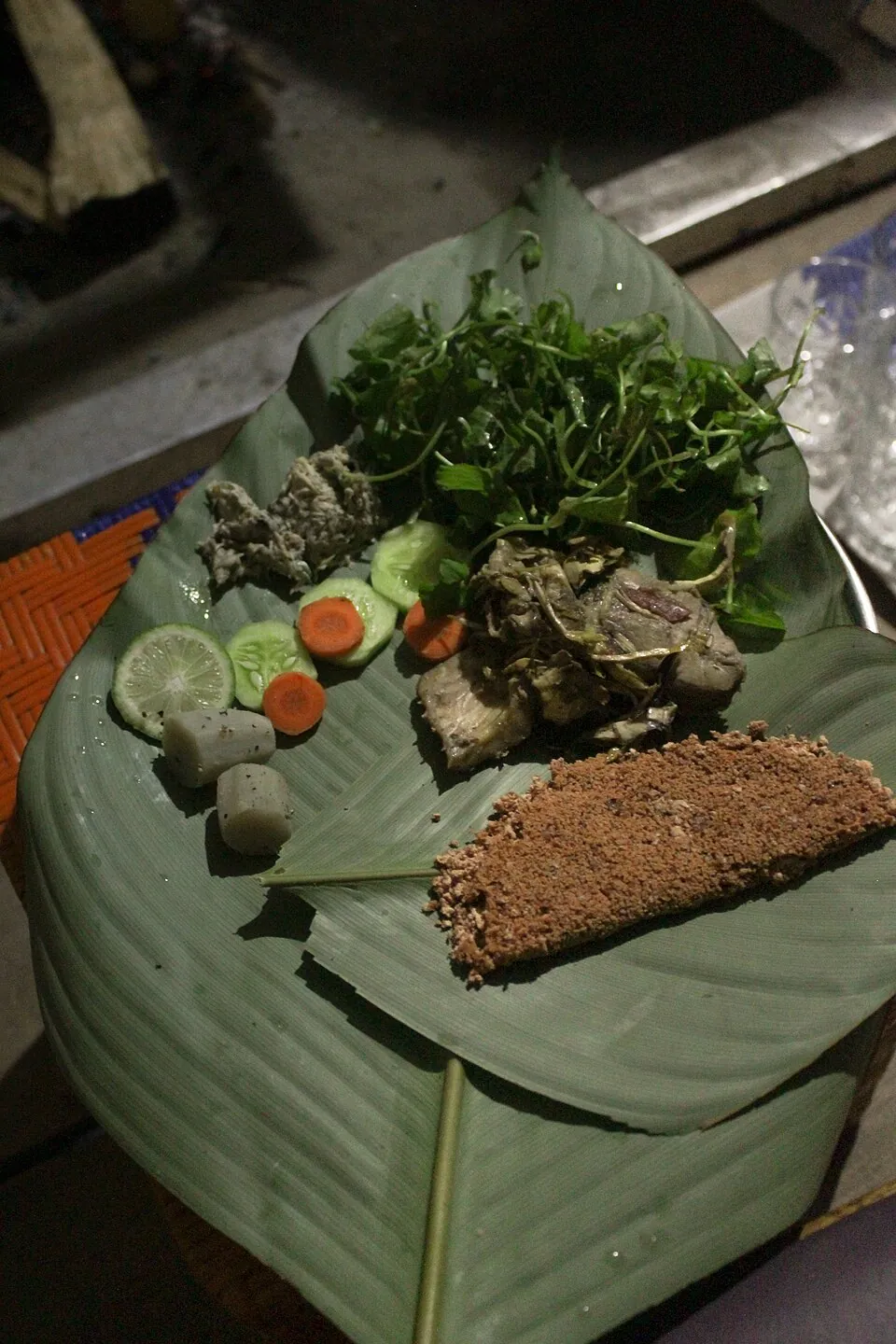
Local Arunachal Pradesh meal served in a traditional setting

A meal at a Mishmi homestay

Everything grown nearby, cooked on wood fire. Rice from the family's own terraces, vegetables from the kitchen garden, meat from their own animals. Meals here are hospitality, not service.

Tourism & Travel

When to Visit — Road-Window Planner

Anini's weather and road accessibility are seasonal. Select a seasonal filter below to view month accessibility details and travel quality.

JanColdSnow near passes
FebColdReh season ★
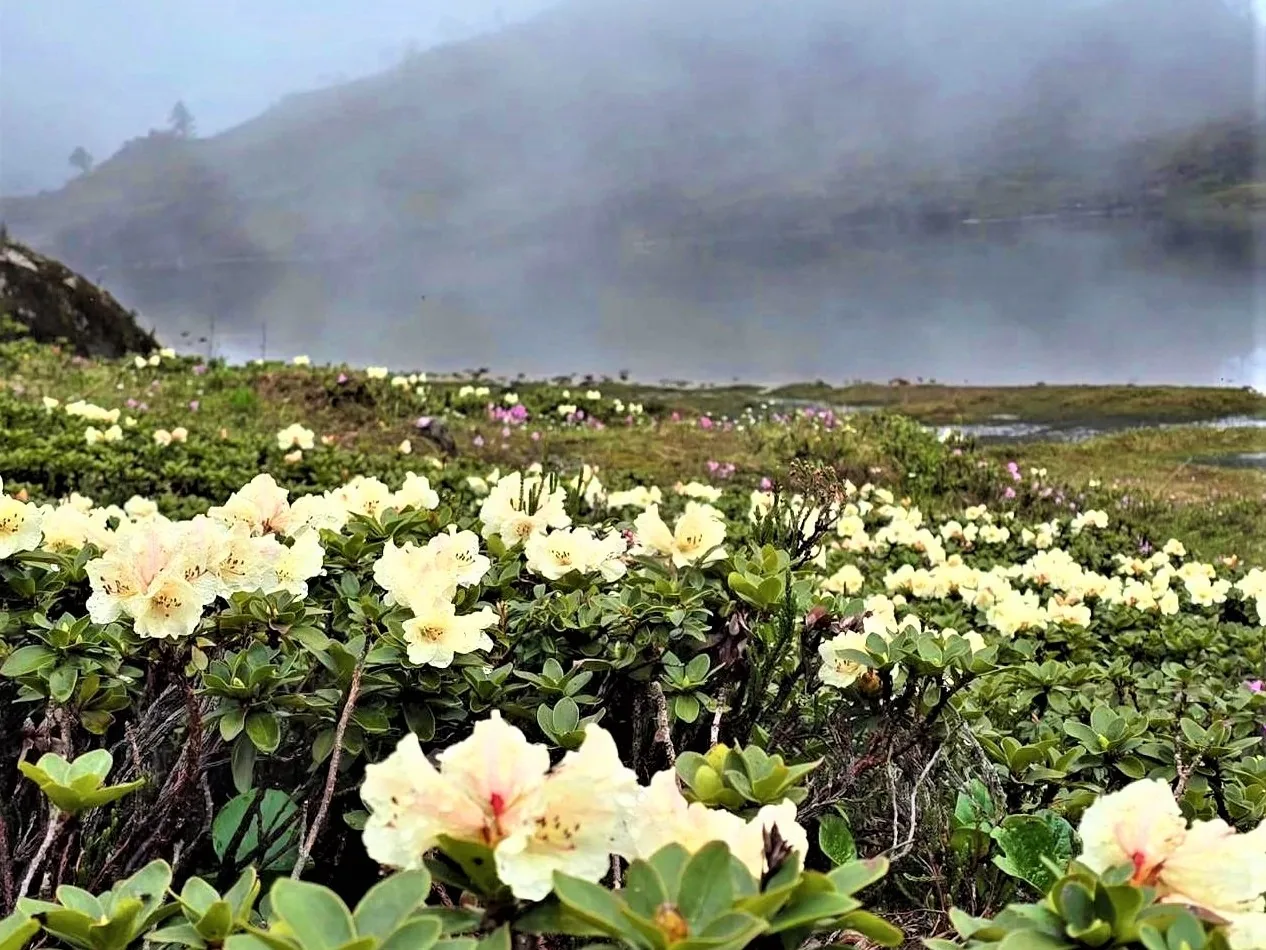
MarSpringRhododendrons
AprSpringGood road window
MaySpringPre-monsoon
JunMonsoonSeasonal road conditions
JulMonsoonPeak greenery offers unforgettable views for well-planned journeys.
AugMonsoonMisty mountains and cascading waterfalls make for a truly scenic travel experience.
SepTransitionalRain easing
OctTransitionalClearer roads ★
NovColdViews and snowline
DecColdWinter travel ★

Generally better windows   Higher Lush monsoon landscapes reward travellers with a flexible schedule. Always confirm current road, permit and stay conditions before leaving Roing.

Suggested length of stay

3 days: first encounter

Day 1: Roing to Anini over Mayodia Pass, with pauses for weather and valley views. Day 2: Visit the town viewpoints, local market, share a homestay meal and tour a nearby village with permission. Day 3: Return to Roing or proceed to Acheso, if weather is favorable.

5 days: culture and landscape

Add Acheso or Chigu Eco Camp, explore Dri Valley or winter routes with a local guide, visit weaving and craft workshops and have a buffer day for road or weather changes. This is the practical minimum for a meaningful visit.

7 days more: serious mountain travel

Perfect for birdwatchers, trekkers and documentary-minded guests. Build in buffer days for the high-altitude Seven Lakes route, exploring the Dri Valley and attending seasonal ceremonies without rushing.

Transit & Air Connections

How to reach Anini from domestic flight hubs, surrounding railheads and the winding mountain highway.

BY AIR (FLIGHTS & CHOPPERS)

Air Connection Details

Dibrugarh Airport (MHB) — Mohanbari Primary Airport · ~345 km from Anini

The most reliable airport for traveling to Anini. Connects Dibrugarh to national hubs with daily direct and single-stop flights.

Route / Origin Airlines Duration & Frequency
New Delhi (DEL) IndiGo, Air India ~3h 05m (Daily Direct)
Kolkata (CCU) IndiGo, Air India ~1h 45m (Daily Direct)
Guwahati (GAU) IndiGo, Alliance Air, Air India ~1h 10m (Multiple daily)
Bengaluru / Mumbai IndiGo, Air India (via GAU/CCU) ~5h to 7h (Daily 1-stop)
Tezu Airport (TEI) Closest Airport · ~285 km from Anini

A regional airport that reduces the road journey length, though flight schedules can be affected by weather and local conditions.

Route / Origin Airlines Duration & Frequency
Guwahati (GAU) Alliance Air / Flybig ~1h 30m (Select days/week)
Kolkata (CCU) Alliance Air (via GAU) ~3h 15m (Select days/week)
Arunachal Helicopter Services Subsidy flight connections

Arunachal Pradesh Helicopter Services connects Anini with Roing, Pasighat, Naharlagun and Dibrugarh. Ideal for quick transfers but weather conditions can cause short-notice cancellations.

ℹ️ Booking Tip: Fares are subsidized by the government. Capacity is limited to 10-15 seats per trip. Bookings must be made in advance at state helipad counters in Roing, Dibrugarh, or via the official Civil Aviation portal of Arunachal Pradesh.

BY ROAD

Road Link from Roing

The 235 km mountain route from Roing is the life line of the Dibang Valley. The journey winds upwards crossing the Mayodia Pass, Hunli and Etalin. Expect a drive of 8 to 10 hours depending on weather and pass clearance.

  • Shared passenger Sumos: Depart daily from Roing Sumo counter in the early morning (around 5:30 AM). Fares run approximately ₹800–₹1,000 per seat.
  • Private 4WD SUVs: Heavy-duty vehicles like Bolero, Scorpio, or Sumo can be chartered from Roing or Dibrugarh for about ₹5,000–₹7,000 per day including fuel.
  • State Bus (APSTS): Government transport buses run on a weekly schedule. Inquire at the Roing APSTS counter for current departure days.
BY RAIL

Nearest Railway Station

Tinsukia Junction (Assam) is the closest major rail network connection. It receives major express trains (like Rajdhani and Brahmaputra Mail) from Delhi, Kolkata and Guwahati. From Tinsukia, you can hire a cab to Roing (~2.5 hours) and stay overnight before proceeding to Anini.

Road reality

Roads and weather decide the schedule

The official district site lists Roing to Anini as 235 km. Travel operators commonly plan this as a long full-day mountain drive because the route crosses Mayodia Pass and roadwork, rain, fog, landslides, and snow can change timing quickly.

Carry cash, layers and patience

Connectivity can be patchy, ATMs and fuel options are limited and nights can be cold even after warm days. Pack medicines, a power bank, rain protection, warm layers and a willingness to wait.

Do not compress the route

Dibrugarh or Tinsukia to Roing, then Roing to Anini, is best treated as a two-stage journey. Several itinerary operators use five to six days for a basic Anini circuit, which is a better baseline than a weekend dash.

Local vehicles matter

Shared Sumos, APSTS services on selected days and private local vehicles are part of the travel system. Confirm departures locally; published timings and road status can change faster than websites update.

Permits & Regulations

All travellers to Arunachal Pradesh require official permits. Review guidelines below to ensure a smooth, lawful and respectful journey.

Permits are mandatory. Indian nationals need an Inner Line Permit (ILP), which can be applied for online or obtained at designated state offices in Delhi, Kolkata, Guwahati, or Tezpur. Foreign nationals need a Protected Area Permit (PAP) / Restricted Area Permit (RAP). Verify requirements on the official Arunachal Tourism permit portal or the Dibang Valley district administration website before making flight bookings.

Traveller code

Ask before photographing people

Homes, rituals, weaving, food and festivals are not public sets. Ask clearly, accept no gracefully, and never photograph sacred or private moments without permission.

Travel with local guidance

Roads, weather, landslides, permits and trail conditions change quickly. Local drivers, homestay owners and guides are the best safety layer and keep income in the valley.

Carry waste back

Anini's remoteness is exactly why plastic, batteries, bottles and wet wipes cannot be treated casually. Pack out what you bring in, especially on treks and village visits.

Respect cultural boundaries

The Idu Mishmi relationship with forests, animals and sacred sites is living belief, not folklore for travellers. Treat Athu-Popu, rituals and oral histories with restraint.

Stay on agreed routes

Do not wander into fields, forests, sacred sites, or village spaces without a host or guide. Some places are private, seasonal, or restricted for reasons travellers may not immediately see.

Pay local value fairly

Use local homestays, guides, drivers, craftspeople and food providers where possible. Remote hospitality takes real labour, fuel, time and knowledge, so bargain with care and respect.

Cane bridge over the Dri River in Dibang Valley
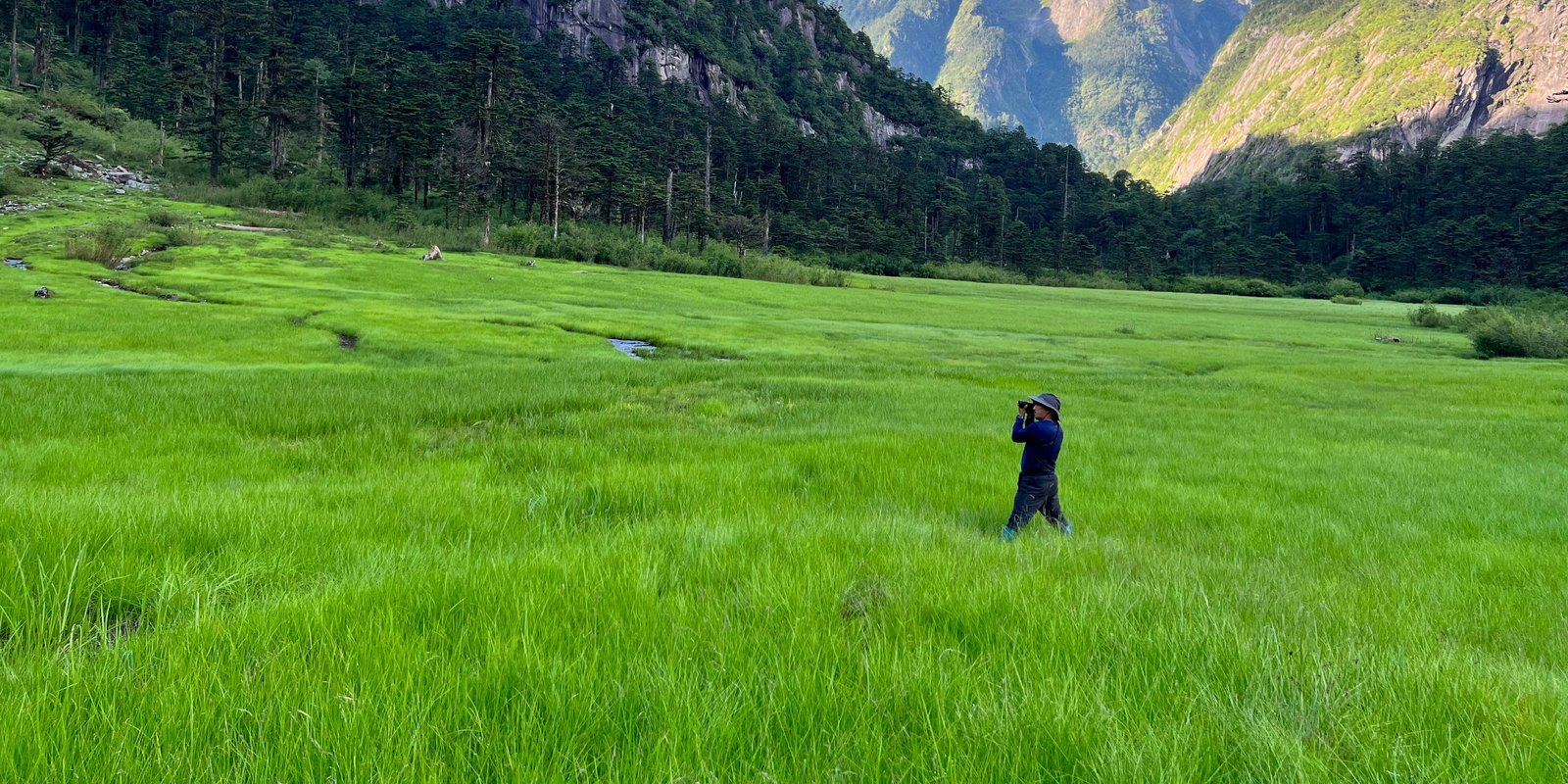
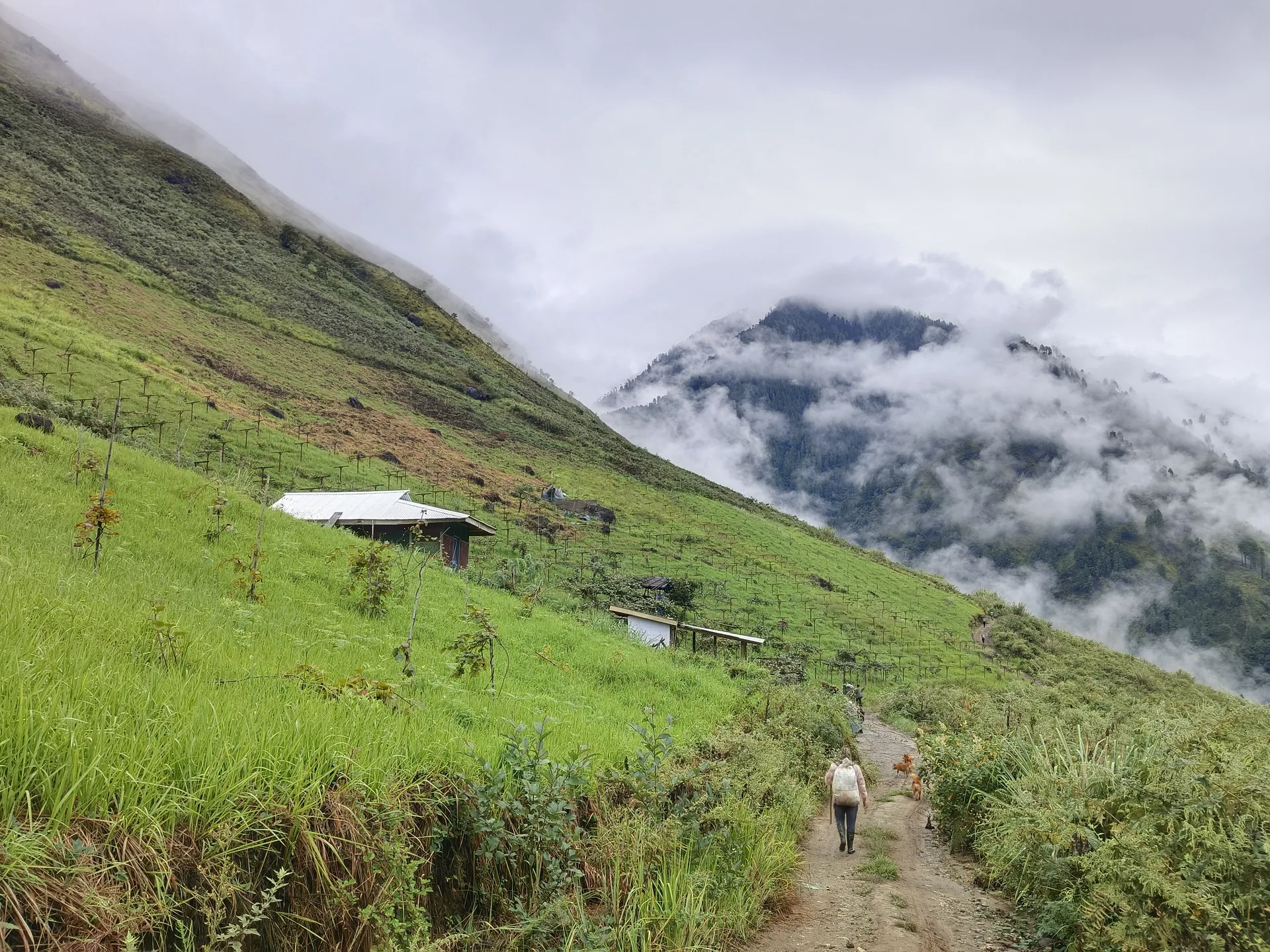
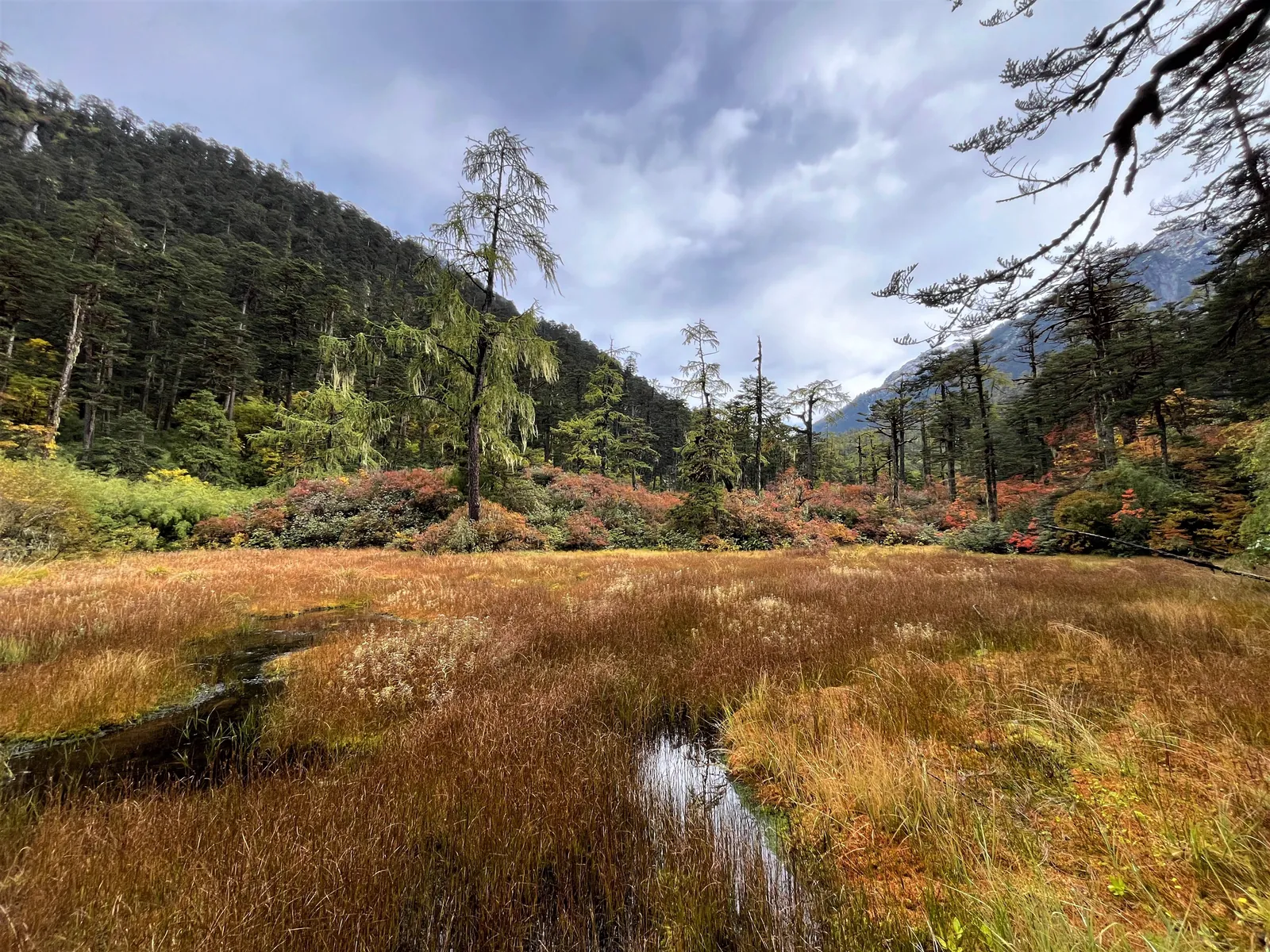
The lush green grasslands describe the untouched nature and it's beauty. The kind of crossing that reminds you the valley decides the pace.

Activities / Places to visit

Red panda — found in Dibang Wildlife Sanctuary Arunachal Pradesh
Bruni

Dibang Wildlife Sanctuary and Bruni

A large protected landscape within the Dihang-Dibang Biosphere Reserve. The state forest department lists steep terrain, altitude from about 1,800 m to 5,000 m and species including red panda, clouded leopard, musk deer, serow, goral, takin and snow leopard in higher zones.

Mishmi Takin Budorcas taxicolor — endemic species of Dibang Valley
Winter wildlife · Zambra Valley

Pomo Winter / Dri Valley routes

Trek descriptions for the area treat Zambra and Dri-side routes as specialist journeys, best attempted with local guides and realistic expectations about weather, terrain and sightings.

Mishmi Takin Budorcas taxicolor — endemic species of Dibang Valley
Cycling · Dri Valley

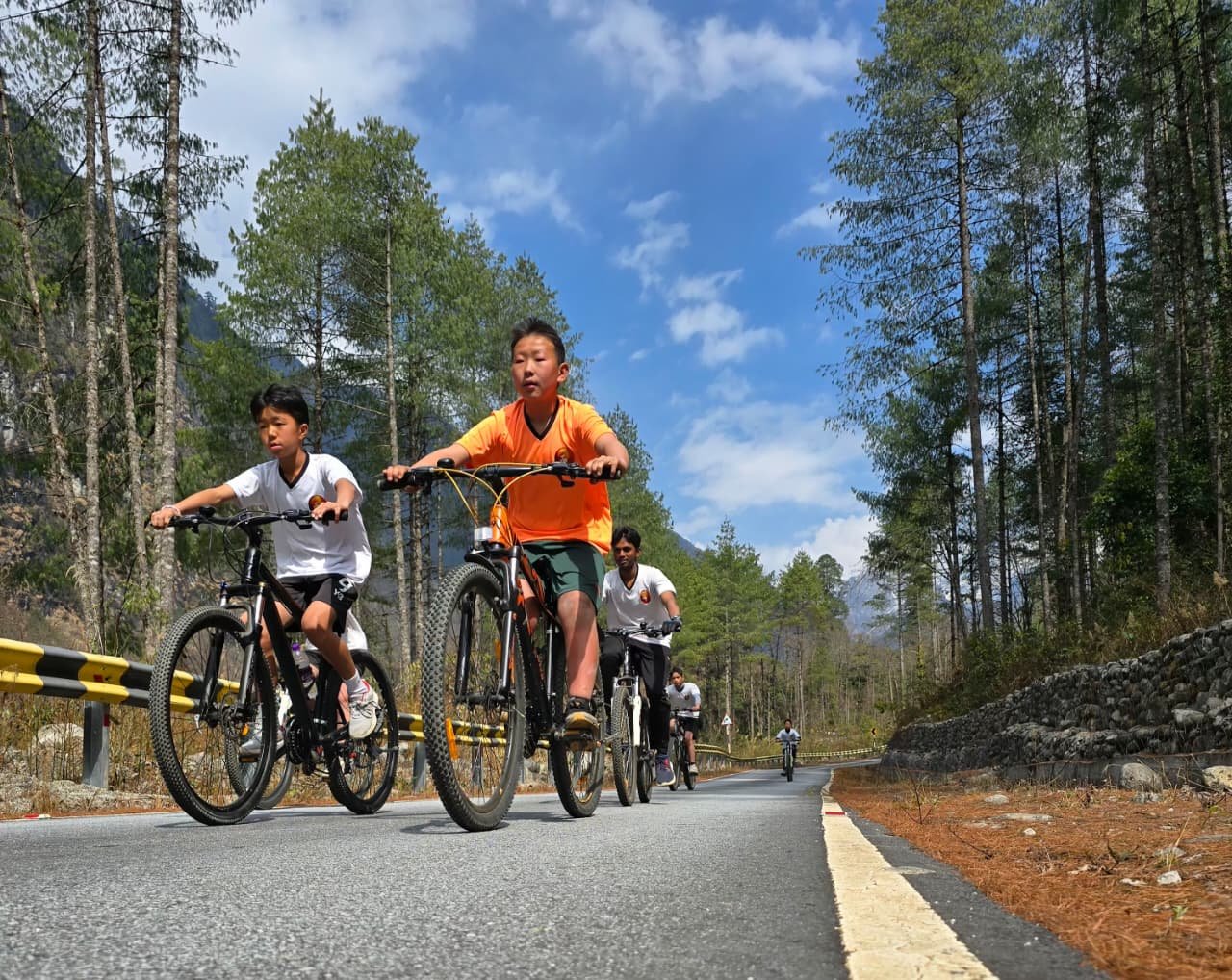
Cycling in the Valley

The Cycling routes describes Dri Valley routes as scenic, remote, and rewarding for experienced riders with friends. The terrain includes forest and alpine sections, with potential wildlife sightings and cultural encounters along the way.

Remote Dri Valley landscape in Dibang Valley
Expert trek · 11 days / 10 nights

Seven Lakes Trek

The district adventure page describes the Seven Lakes route as a high-altitude trek reaching close to 4,000 m, with six walking days on steep Idu hunting trails. It is for experienced trekkers with guides, porters and buffer days.

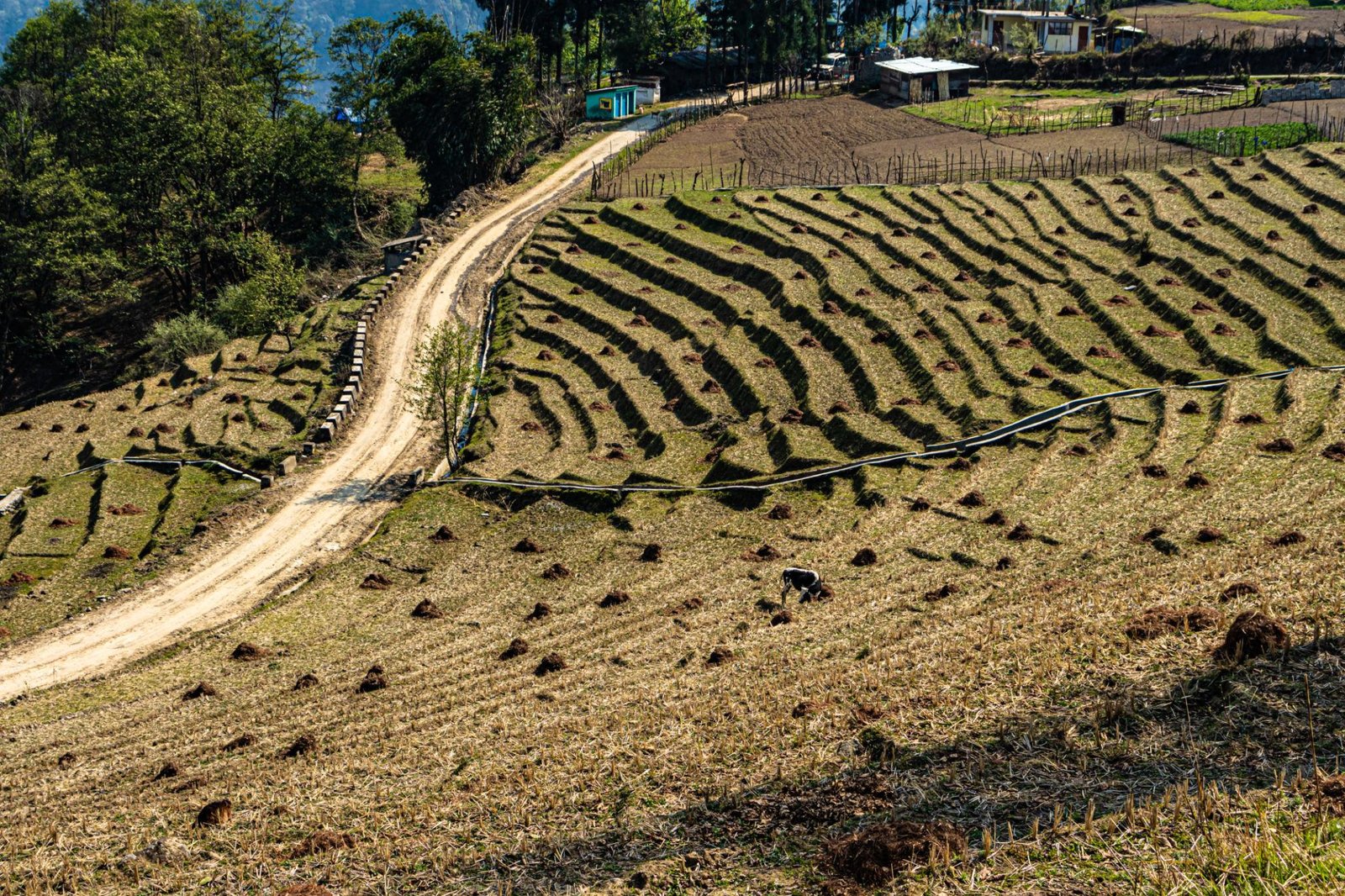
Idu Mishmi village terraces in Dibang Valley
Village and camp experience

Acheso Village

Several current itineraries use Acheso and Chigu Camp as a slower extension from Anini. Go with local guidance, ask before entering homes or workspaces and treat village time as hosted time, not open access.

Anini town Dibang Valley Arunachal Pradesh — Prasad Basavaraj
Town viewpoint

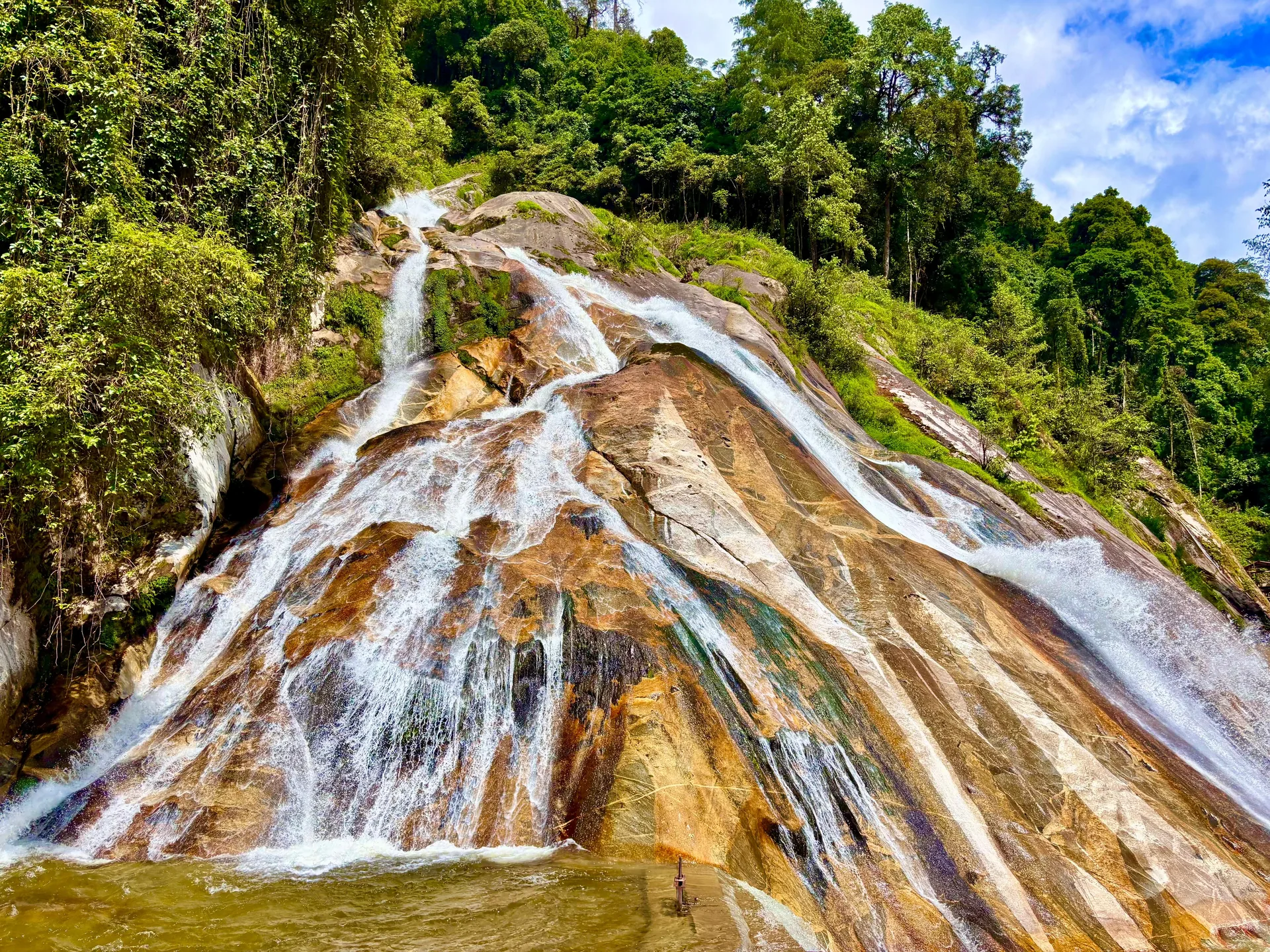
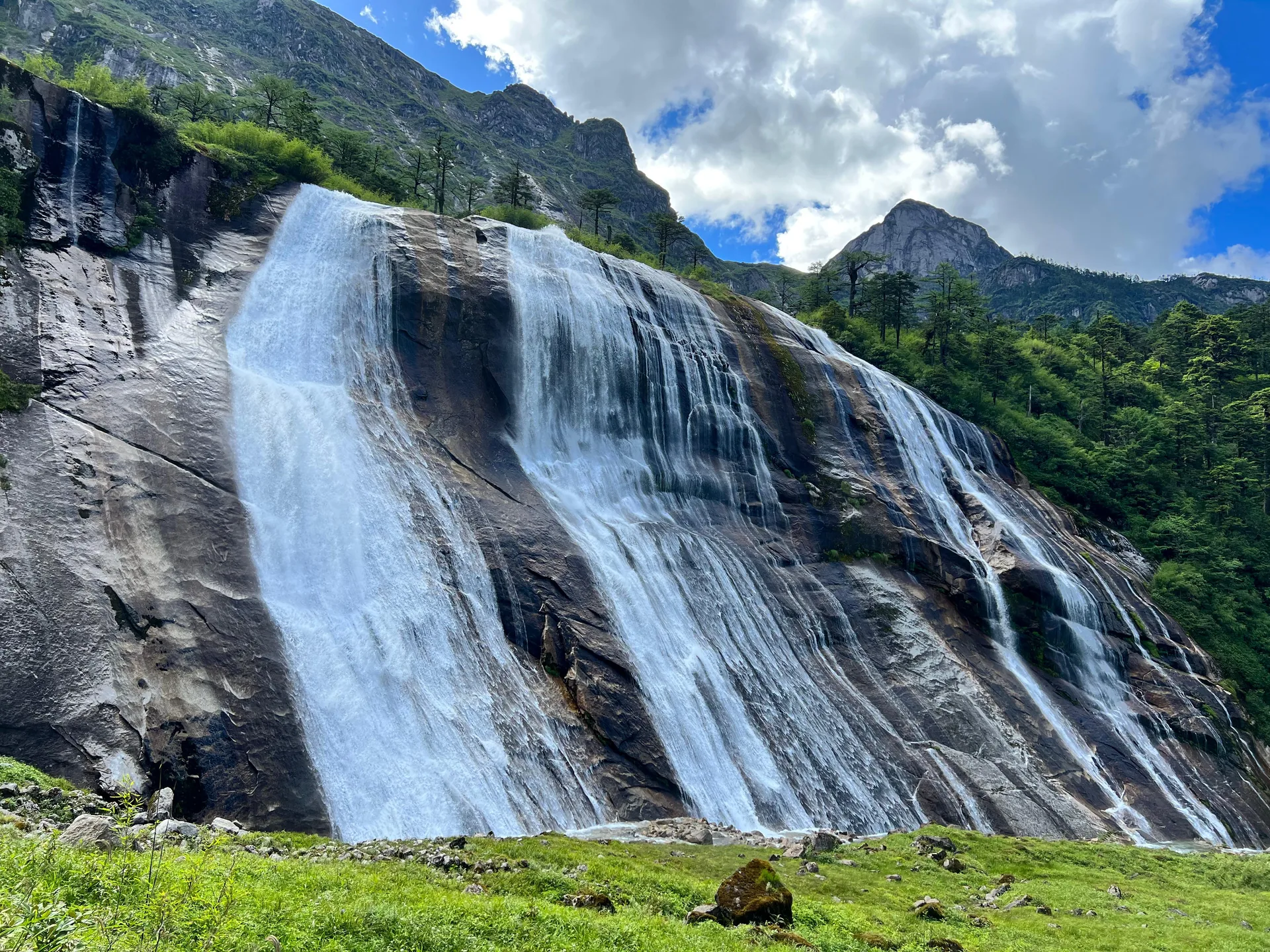
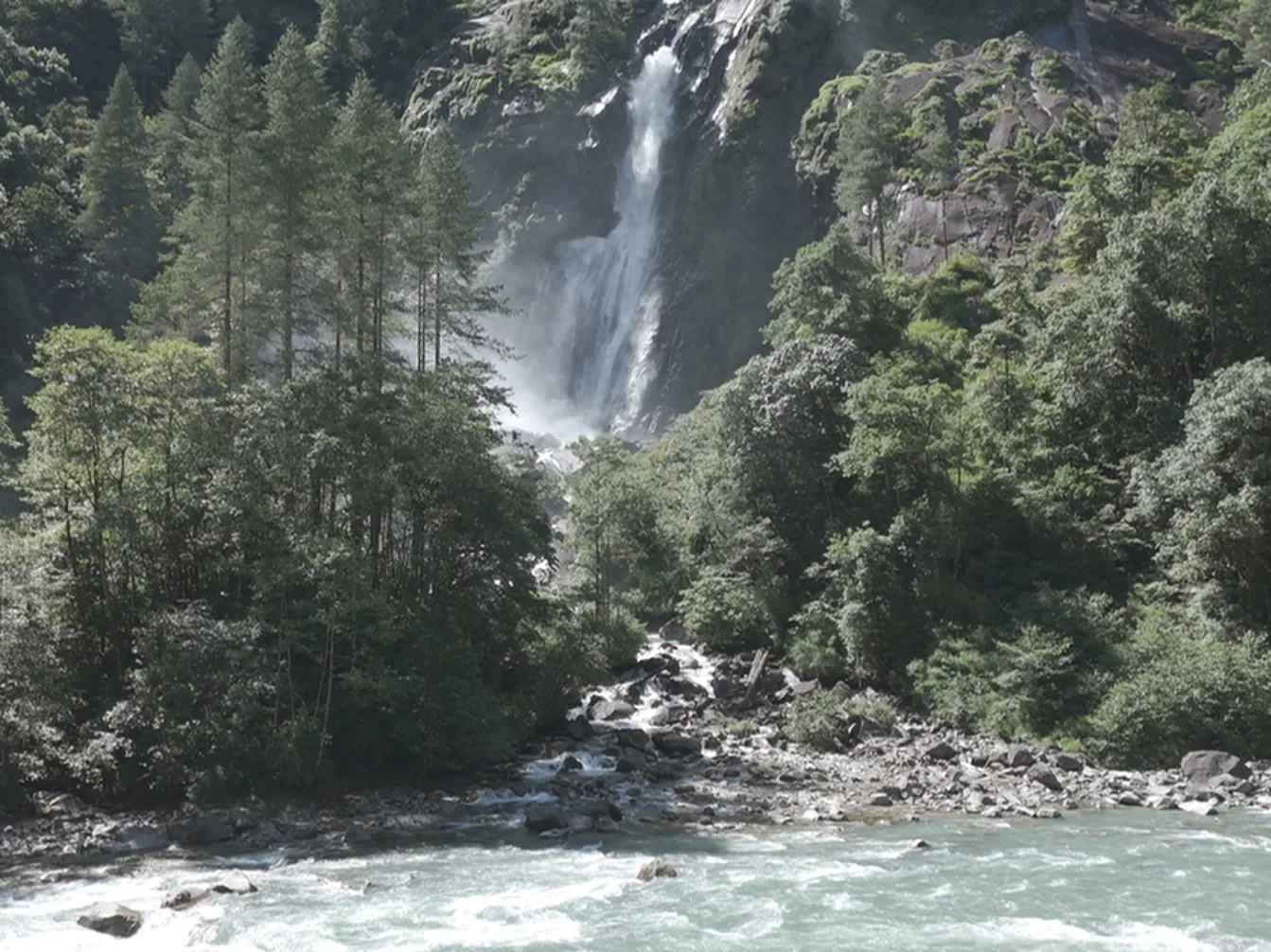
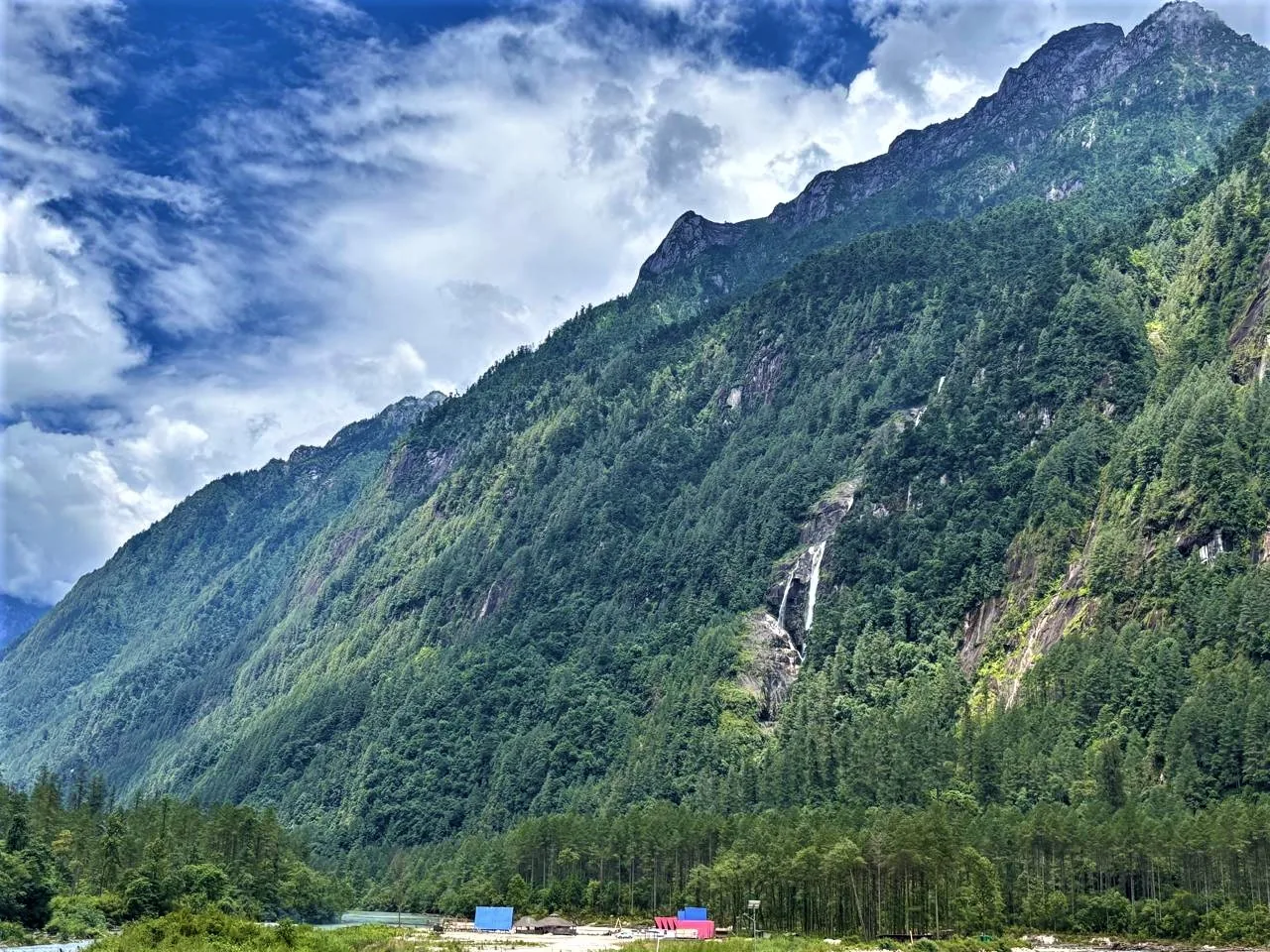
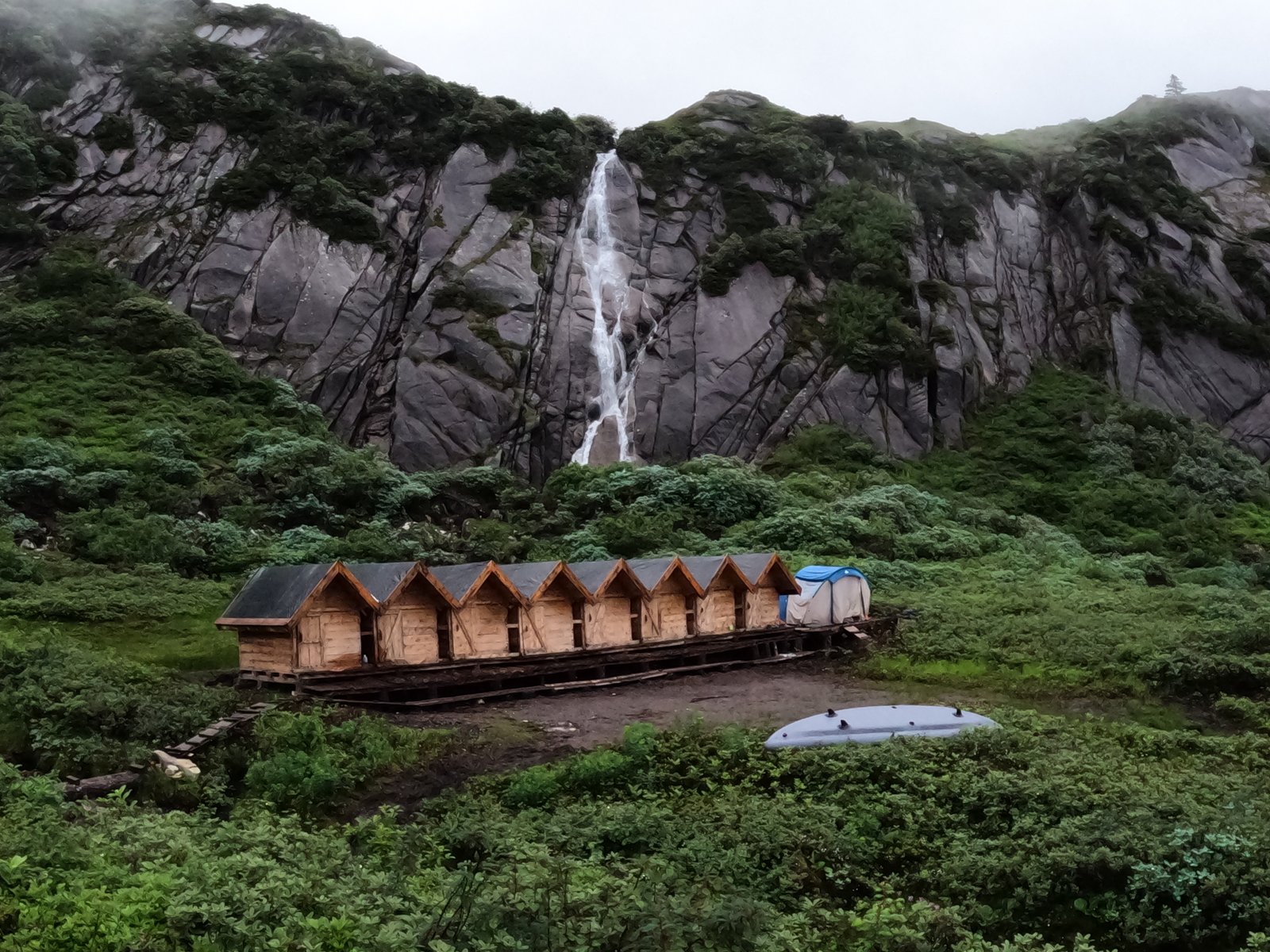
Matu Waterfall

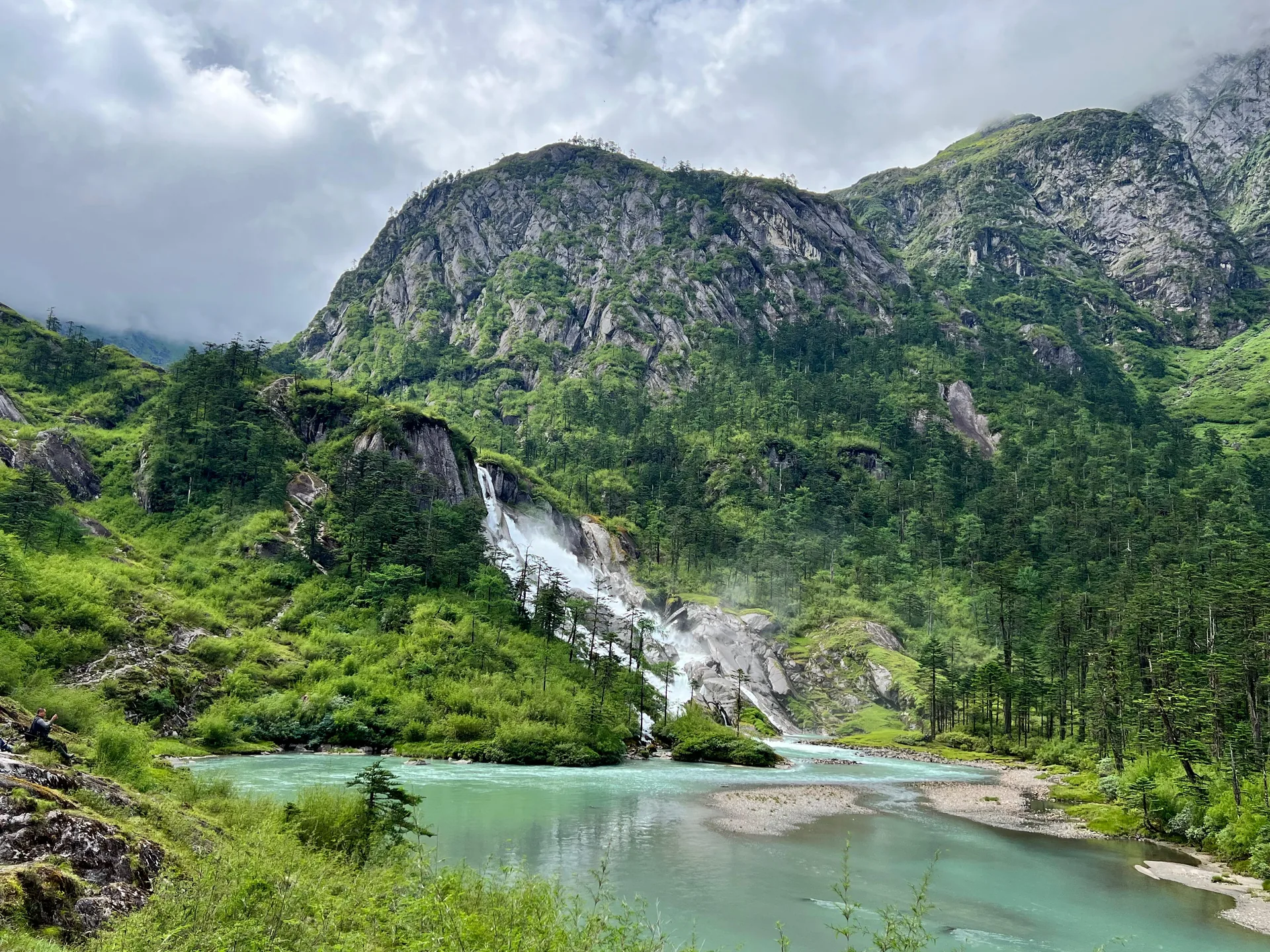
Matu Waterfall, located near Anini in Dibang Valley, is a hidden natural gem surrounded by dense forests and rugged mountains.

Where to stay

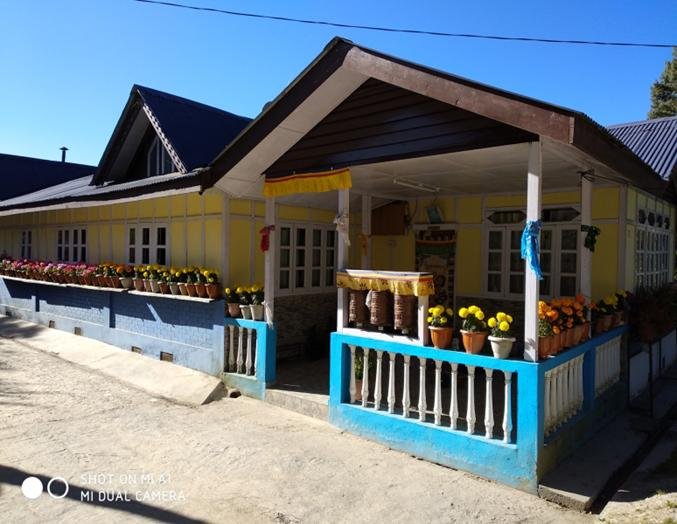
Accommodation in Anini is still limited and changes with road/weather windows. The district list includes government guesthouses, local hotels, resorts, camps and registered homestays; book directly and reconfirm rooms, rates, meals, transport and permits before leaving Roing.

Mishmi Takin Homestay room in Anini
Registered homestay · Anini

Mishmi Takin Homestay

The district accommodation list records Mishmi Takin Homestay as a silver-category homestay with three double rooms. It is run by the Mishmi Takin Adventures team and suits travellers who want a local household-style base in Anini town.

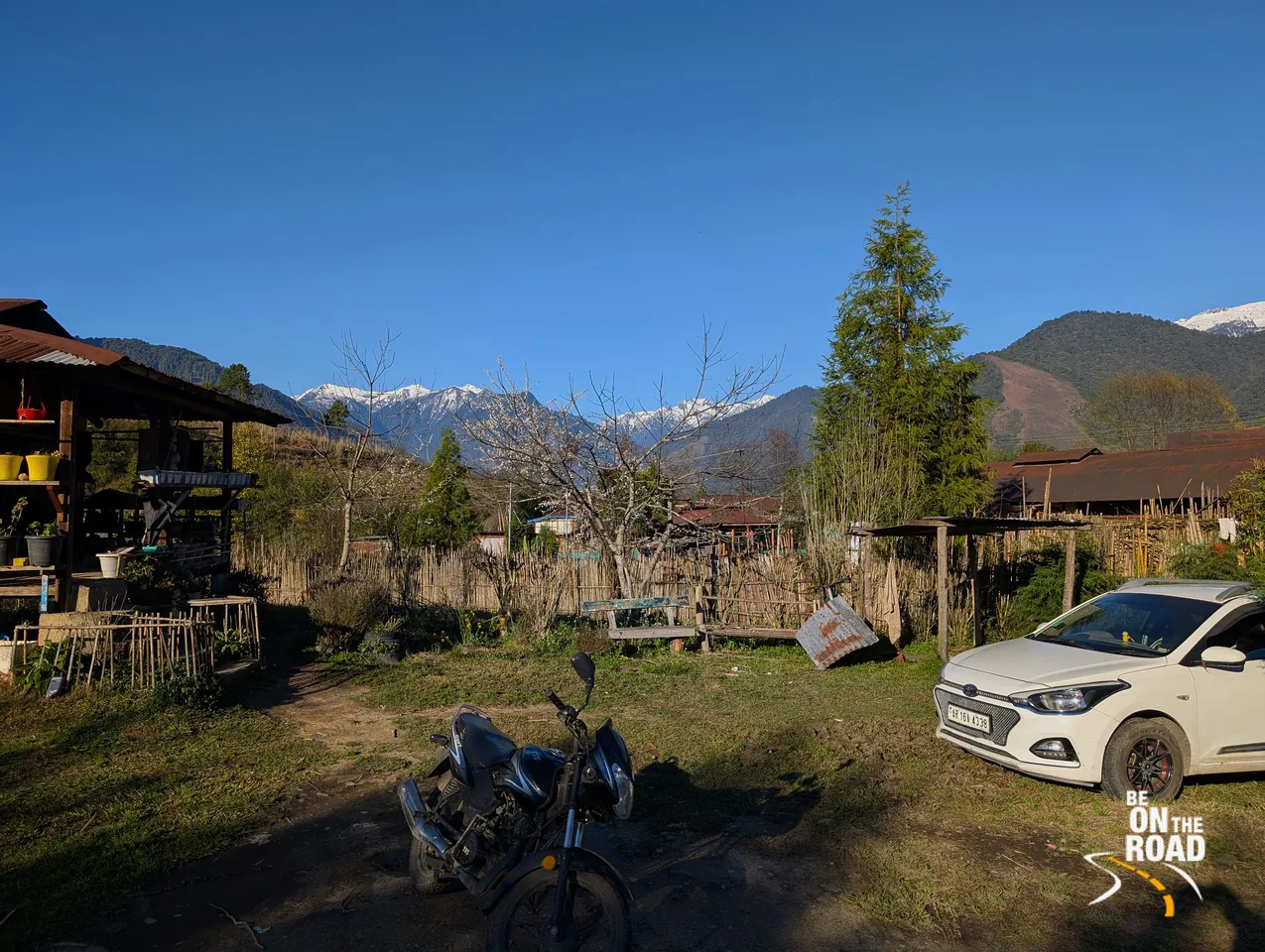
Mili Homestay at Anini surrounded by mountains
Homestay · Orchard setting

Mili Homestay

Recent travel writing describes Mili Homestay as a traditional Idu Mishmi home with snow-capped mountain views, fruit trees around the property and simple home-cooked food. Treat it as hosted family accommodation, not a hotel.

Dree Afra at Anini with river view
Hotel · River View

Dree Afra

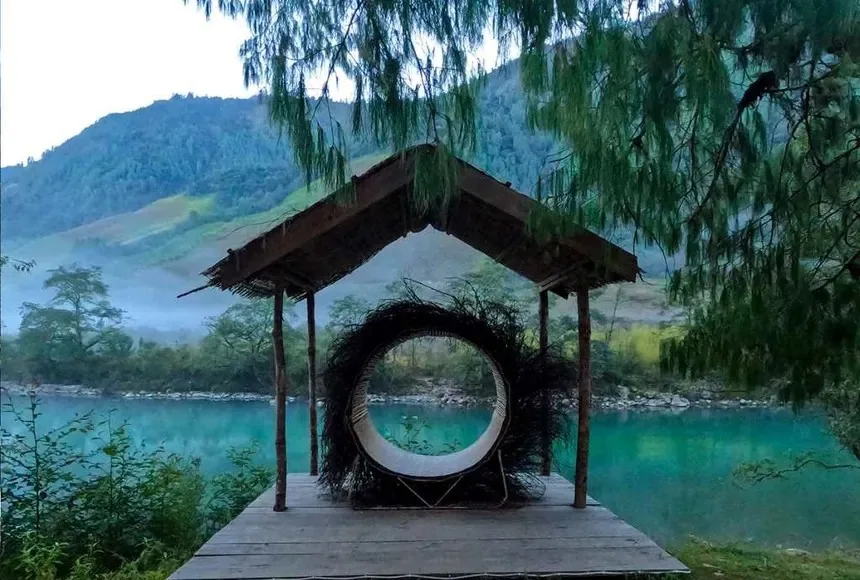
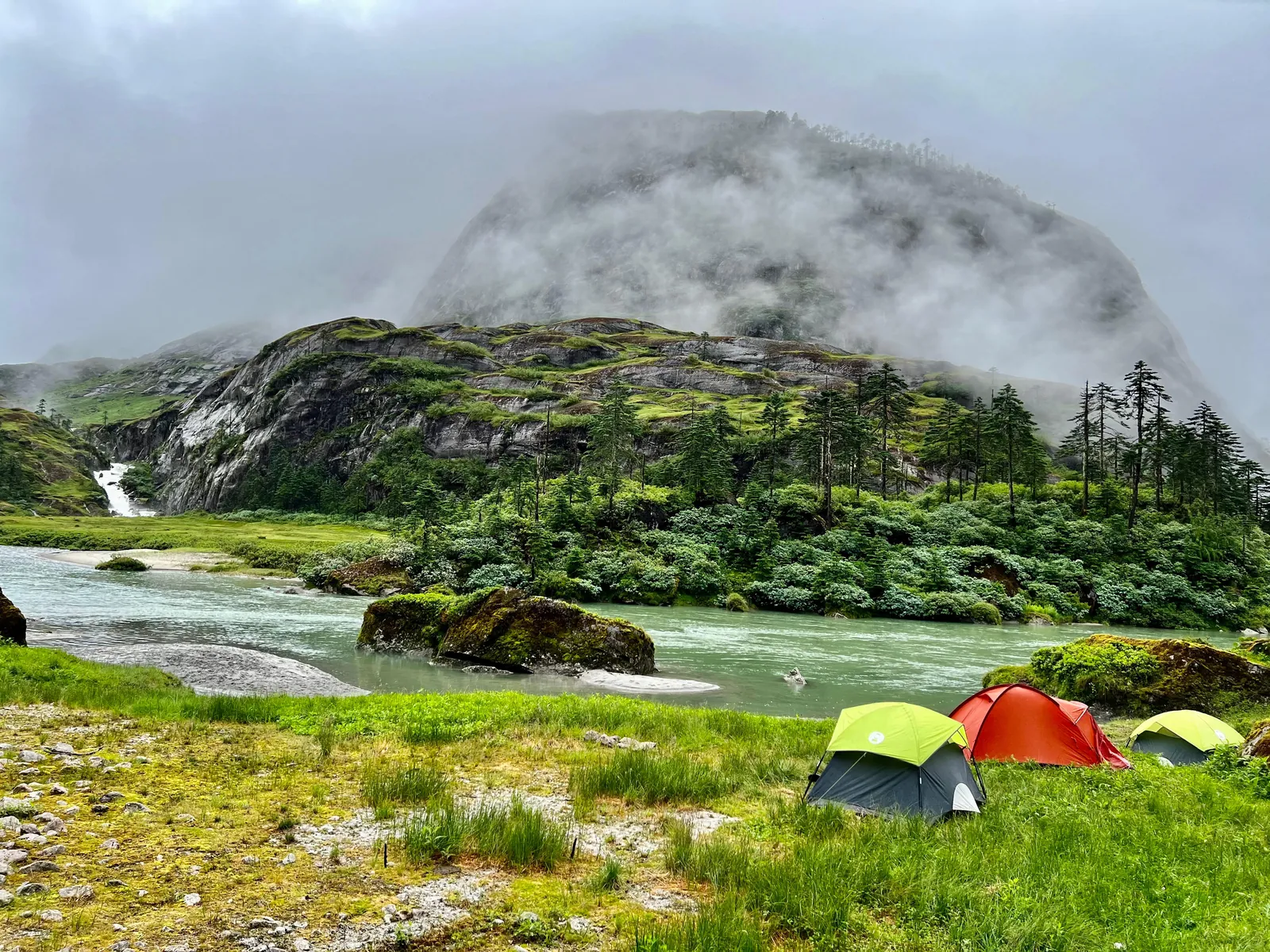
Dree Afra Campsite is situated in Acheso village near Anini. On the banks of the Dibang River, a gem to travellers seeking off-beat places to explore. Snow capped mountains and ice-cold splashes of Dibang River add to its charm and mind blowing beauty.

Anini with river view
Hotel · Valley View

Anini Hut Resort

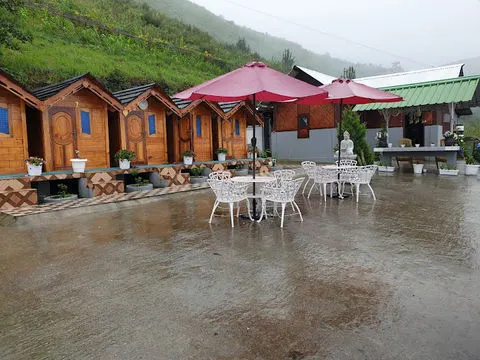
A standout hospitality spot in Dibang Valley. Located near Greff Dett in Anini, Arunachal Pradesh, it blends comfort, dining and recreation—perfect for trekkers, families, or festival-goers exploring the Dibang River

Mishmi Hills Resort cottage accommodation in Anini
Resort · Kawe / Anini

Mishmi Hills Resort

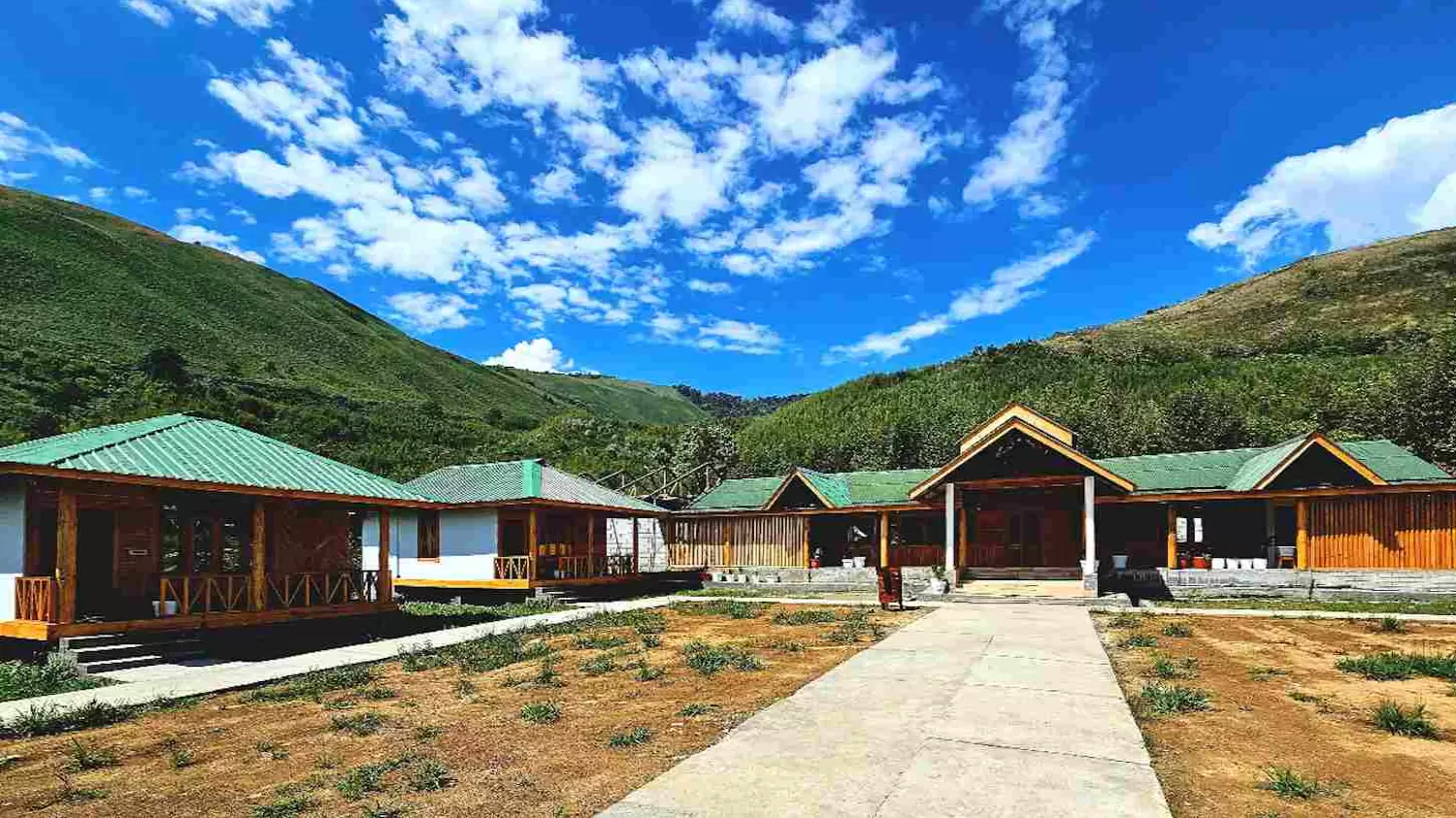
The district list shows cottages, deluxe rooms, twin rooms and single rooms with published rates from Rs. 1,800 to Rs. 4,000. Booking listings describe mountain views, an in-house restaurant and a practical town-side base.

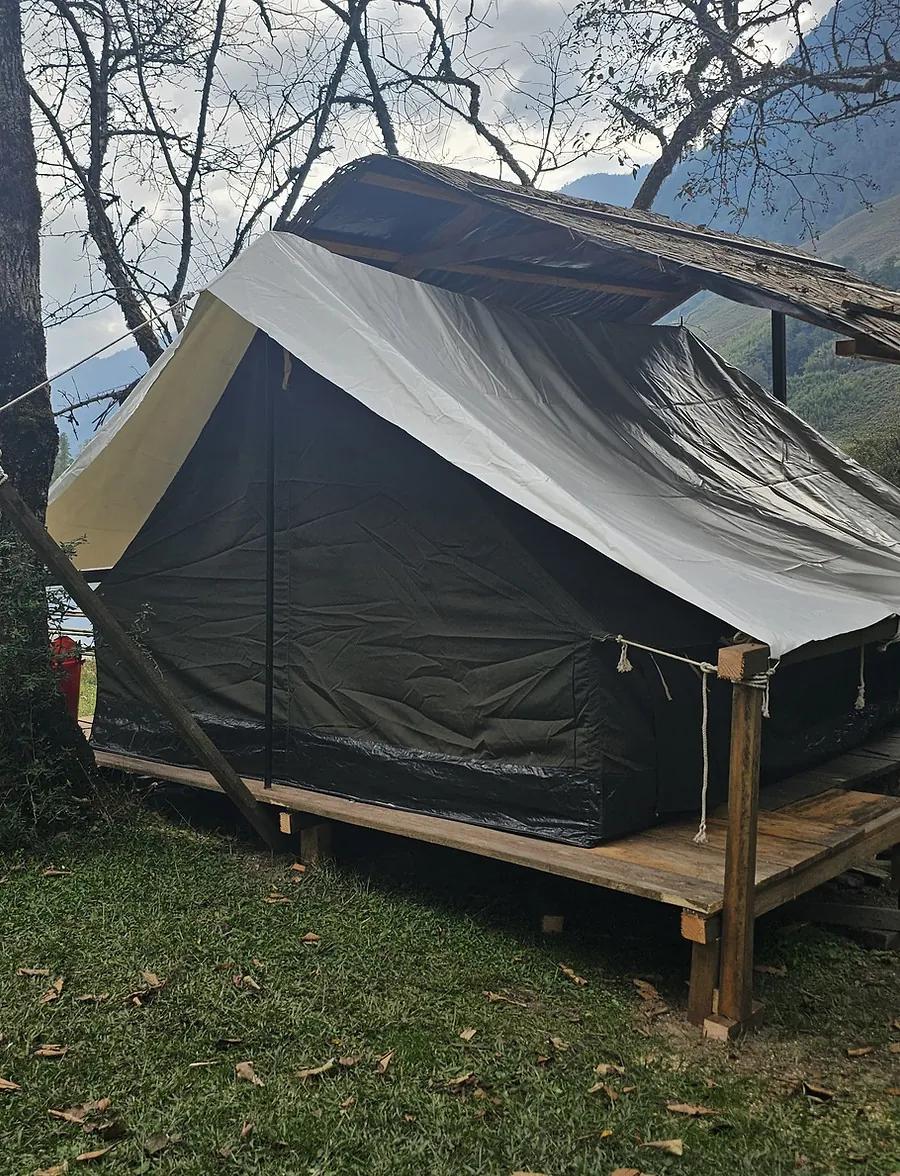
Chigu Camp cottage in Acheso near Anini
Eco camp · Acheso / Chigu

Chigu Camp

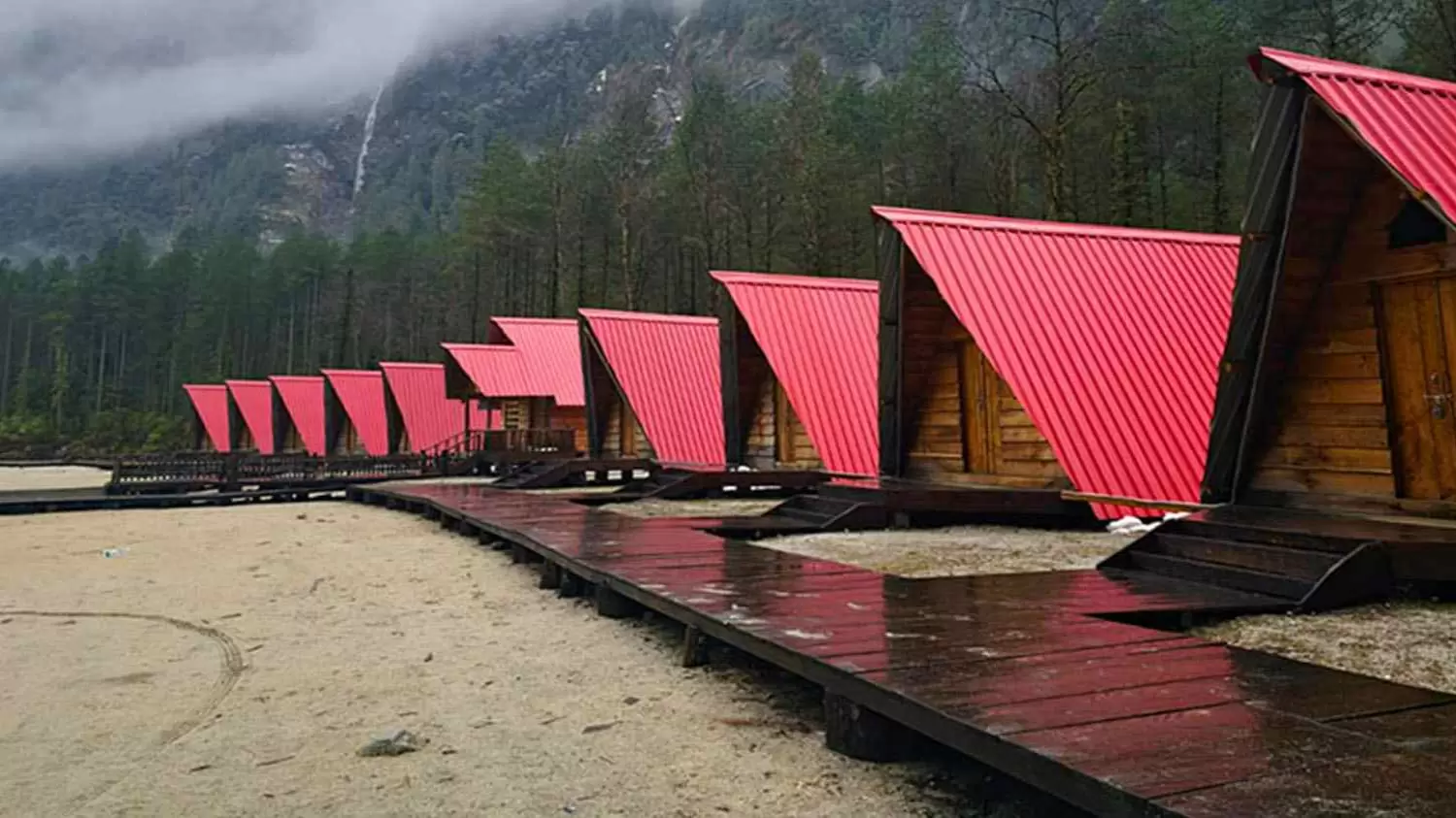
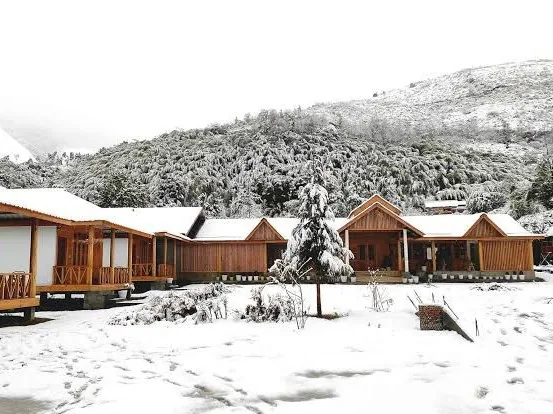
Chigu is the off-grid cottage stay used for the Acheso side of the valley. Public listings describe pine forest, snow-peak views, limited/no mobile network, stargazing and cottage rates around Rs. 3,000-4,500 on the district list.

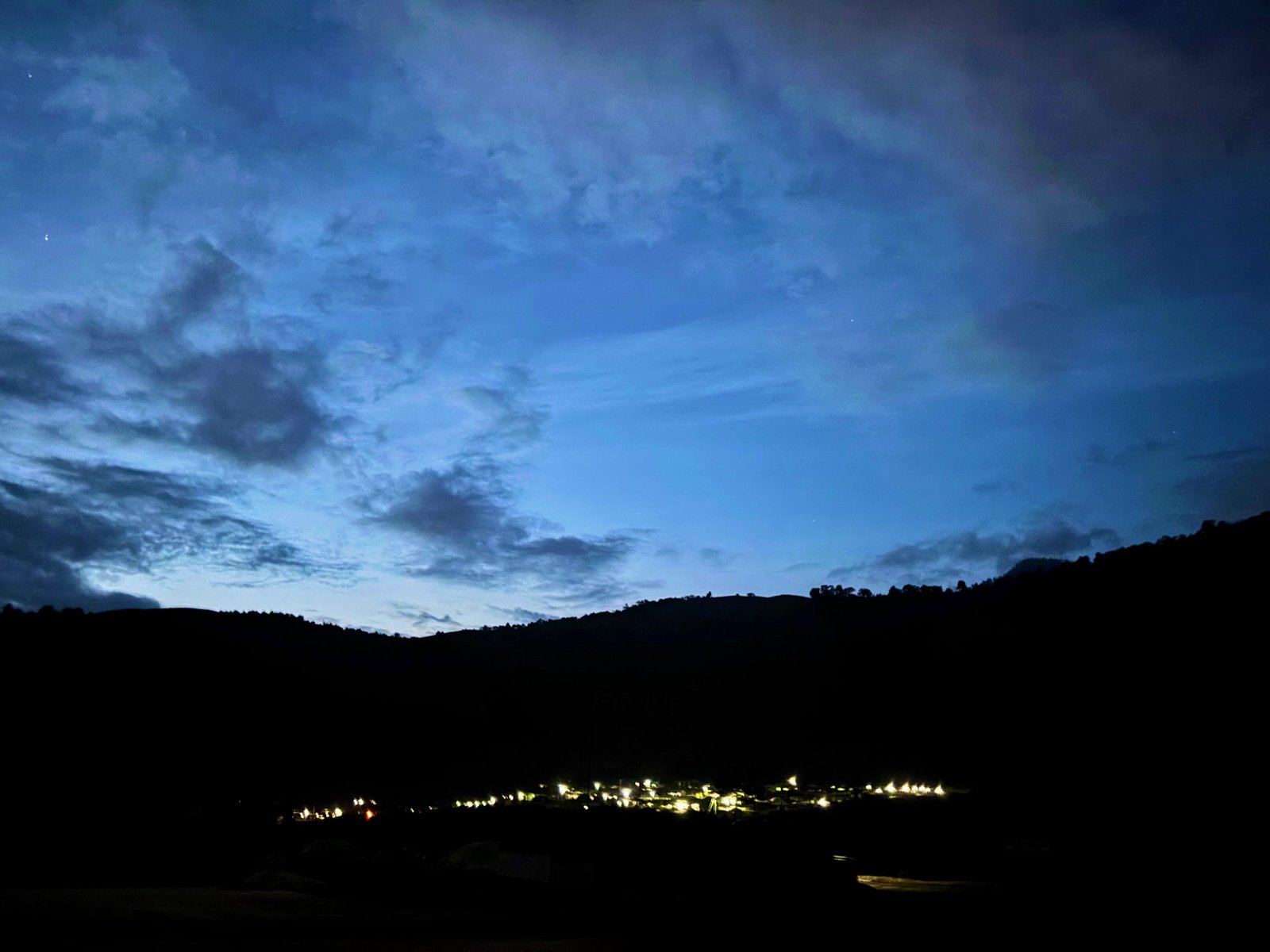
Dibang Valley landscape near Anini

First-Person Experiences

Traveller accounts

AM
@anandmahindraX (Twitter)

"Dibang Valley, Arunachal Pradesh… Out of this world beauty… But Right here in India… #SundayWanderer"

#DibangValley #Arunachal #SundayWanderer
June 29, 2025 — went widely viral, sparked national coverage
DV
Dibang Valley district siteOfficial tourism page

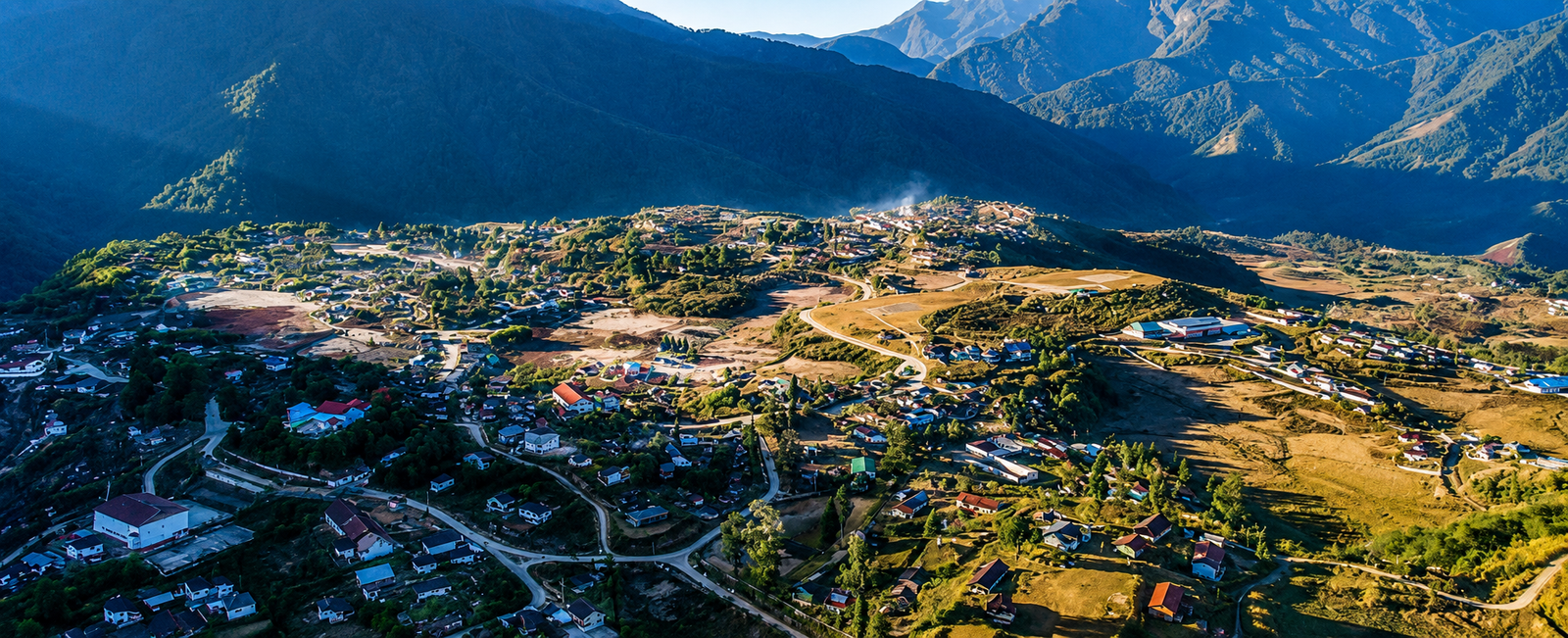
The official district tourism page identifies Anini as Dibang Valley's headquarters, places it between the Dri and Mathun rivers and describes the town's misty, quiet setting.

#OfficialSource #Anini #DibangValley
District Administration, last updated March 12, 2026
OT
Outlook TravellerAwards 2024

Outlook Traveller listed Anini as Gold winner for Best Offbeat Mountain Destination in 2024, placing it among India's recognised emerging mountain destinations.

#BestOffbeatMountainDestination 2024
Outlook Traveller Awards 2024
A5
ATOAI 2025National recognition

PTI/NDTV reported that Anini was recognised as India's Best Emerging Adventure Destination at the 17th ATOAI Convention in Srinagar.

#BestEmergingAdventureDestination #ATOAI2025
December 2025
DT
Down To EarthEnvironment · May 2026

Down To Earth framed Idu Mishmi cosmology as a living conservation ethic, especially through stories that place humans and tigers in a sibling relationship.

#IduMishmi #Conservation
May 23, 2026
VR
Tourism conduct · Feb 2026Mishmi Hills Resort
#ResponsibleTravel #DibangValley
February 2026
Idu Mishmi village in Dibang Valley
Homestay morningsWhat repeat travellers remember most

The strongest homestay accounts — from Be On The Road, Tripoto trip logs and operator reviews — focus less on amenities and more on what surrounds them: fruit orchards catching the morning sun, snow-capped Eastern Himalayan peaks visible from the bedroom, a hot cup of tea on a cold porch and the particular quality of being received by a household rather than processed by a front desk. Mili Homestay is cited repeatedly for its orchard setting and home-cooked food. Kongo Homestay for cultural depth. Mishmi Takin Homestay for warmth. What none of them offer is anonymity — you are a guest in someone's life and that changes how you behave.

Mili HomestayMountain morningsLocal hospitality
Mayodia landscape on the road toward Anini
Seven Lakes and De AfraAdventure operators on what the trek actually involves

Local operator material — Wild Hill Adventure, BreakBag, North East Explorers — consistently describes the Seven Lakes Trek as the region's strongest draw for serious mountain travellers. The trail links a series of remote alpine lakes through the Mishmi Hills at altitudes where Mayodia's weather systems make planning approximate at best. De Afra / Chigu Eco Camp at Acheso village is the standard base for overnight stays outside Anini town — tented, basic and without light pollution. One operator, on his thirteenth visit, wrote that "the pineapple stands on the roadside as you descend, the paharo wali Maggi at a tea stall — these are the things that make the journey unforgettable." The practical note beneath the poetry: carry all supplies, hire local guides, and build buffer days into every itinerary.

Seven Lakes TrekDe Afra CampsiteLocal guides essential

Visited Anini? Add your voice.

This page grows with every journey. Share your experience using these hashtags — and help more people discover Dibang Valley before the crowds arrive.

#DiscoverAnini#DibangValley#IduMishmi#ArunachalTourism#NortheastIndia
Farms and forest around a Dibang Valley village

Economy and
Development

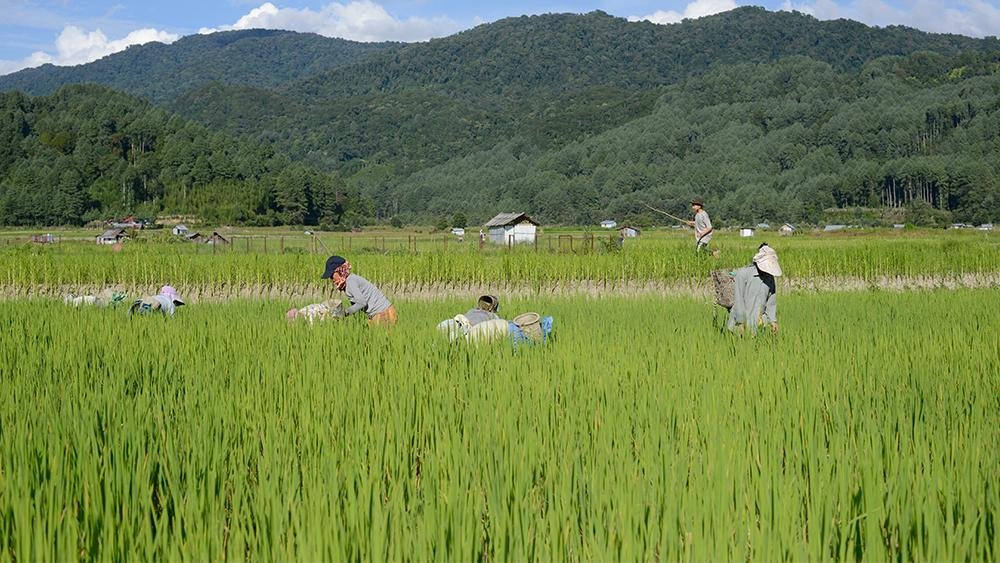
Dibang Valley district recorded 8,004 people in the 2011 Census across 9,129 square kilometres. That works out to under one person per square kilometre, which the district profile rounds to about 1 per sq km. The number is often repeated because it is striking, but its meaning is more important: services are difficult, distances are long and ecological pressure can spread faster than administrative capacity. The local economy has traditionally rested on wet and terrace rice cultivation, maize, millet, vegetables, livestock, cane and bamboo craft, weaving, forest knowledge, government service and local exchange. Tourism is now emerging as a livelihood, but it will only help if traveller spending remains with local households, guides, drivers and craft producers.
8,004
District population, 2011 Census
9,129 km²
District area — larger than Goa
#1
India's Best Emerging Adventure Destination — ATOAI 2025
11
Projects approved under Cabinet Aapke Dwar, Jan 2026
Economy in Dibang Valley
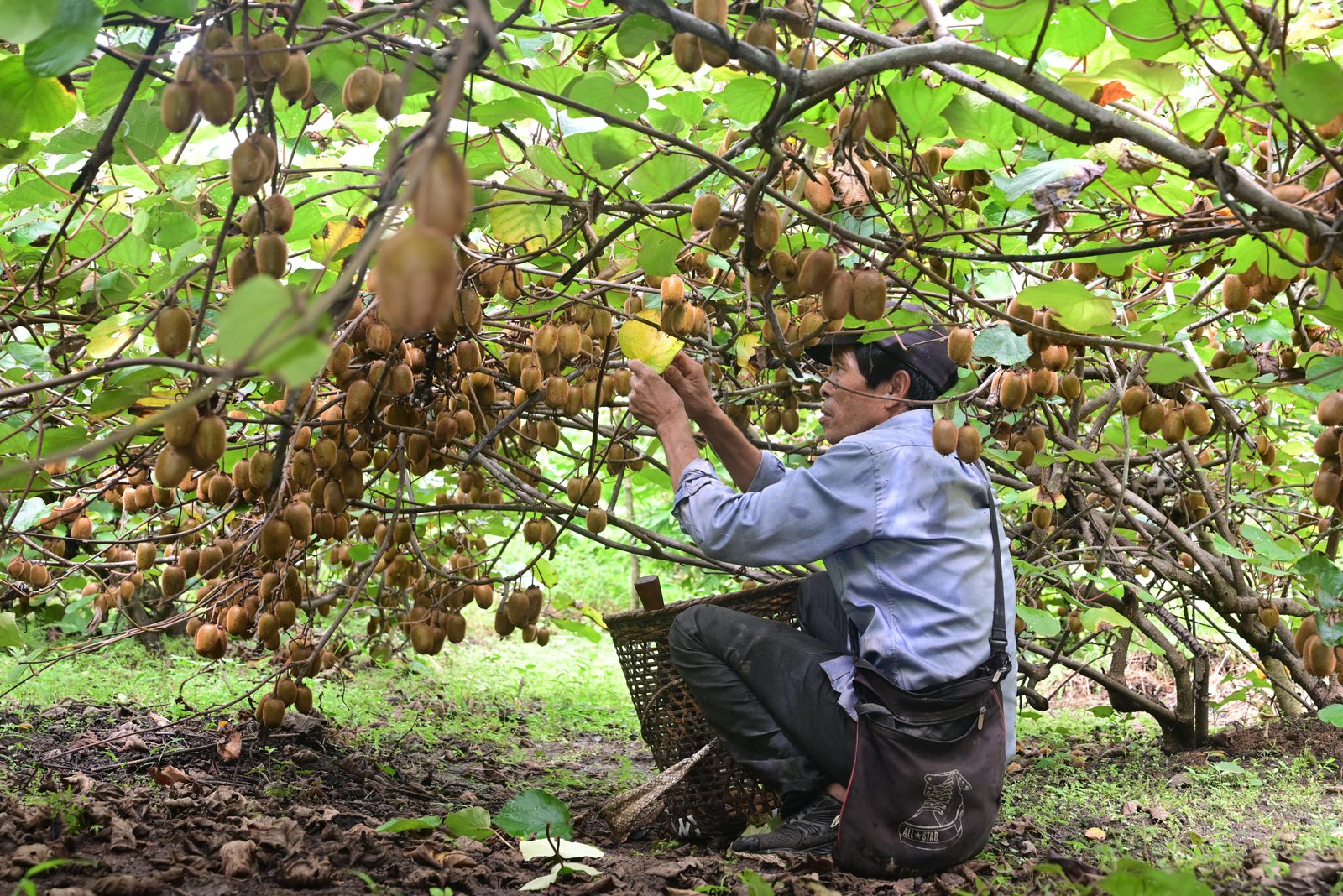
Horticulture in Dibang Valley
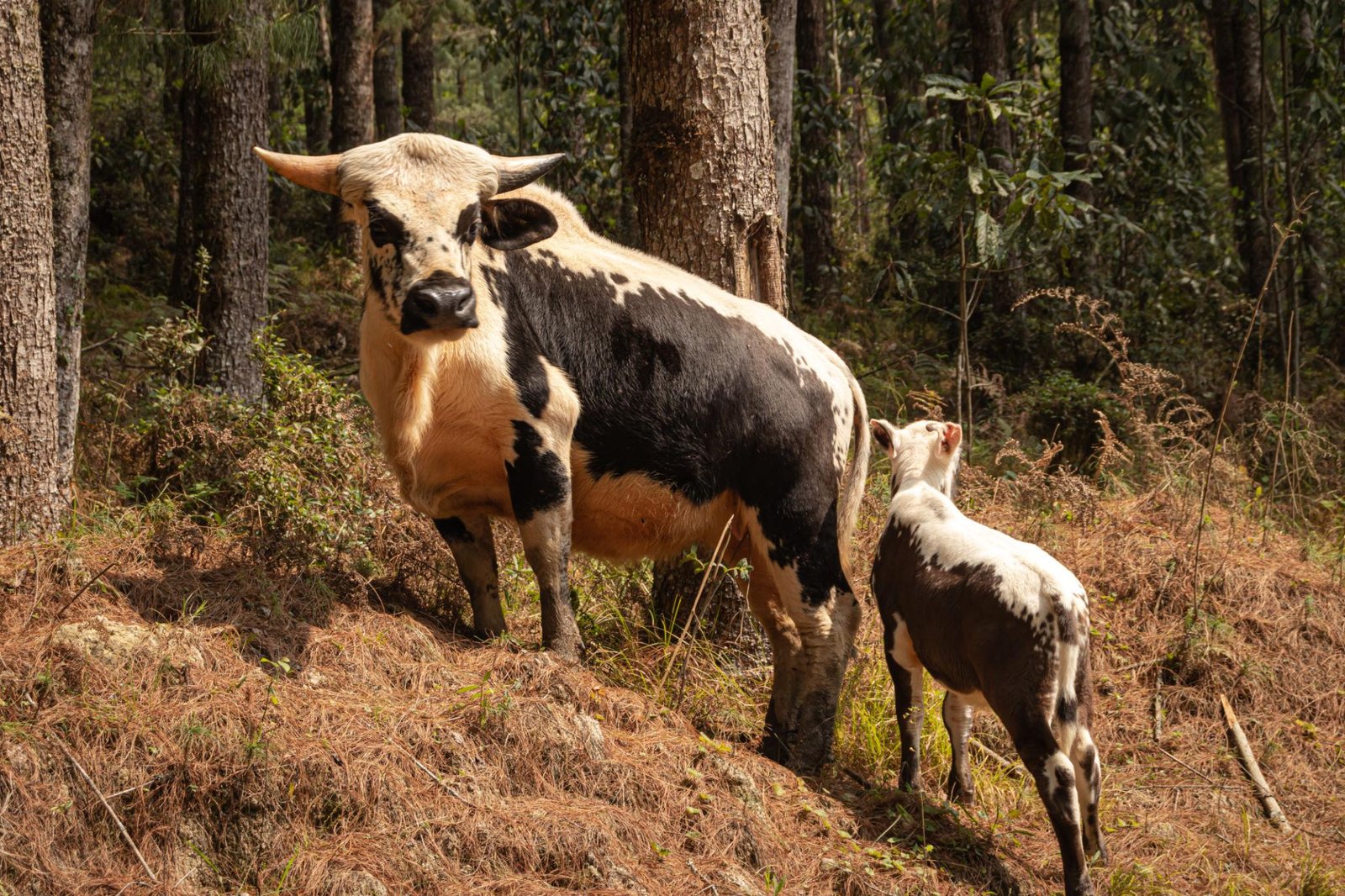
Mithun in Dibang Valley
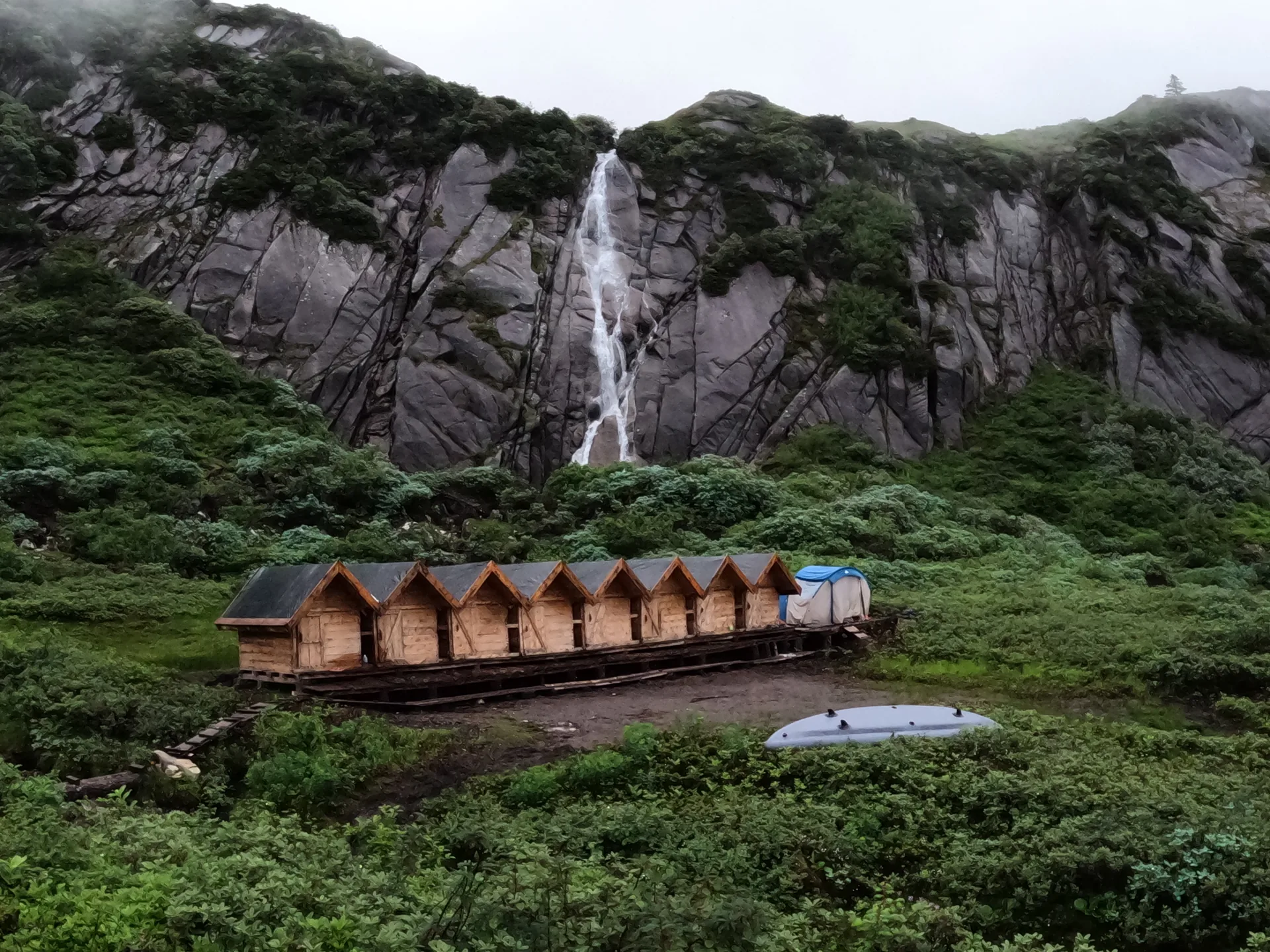
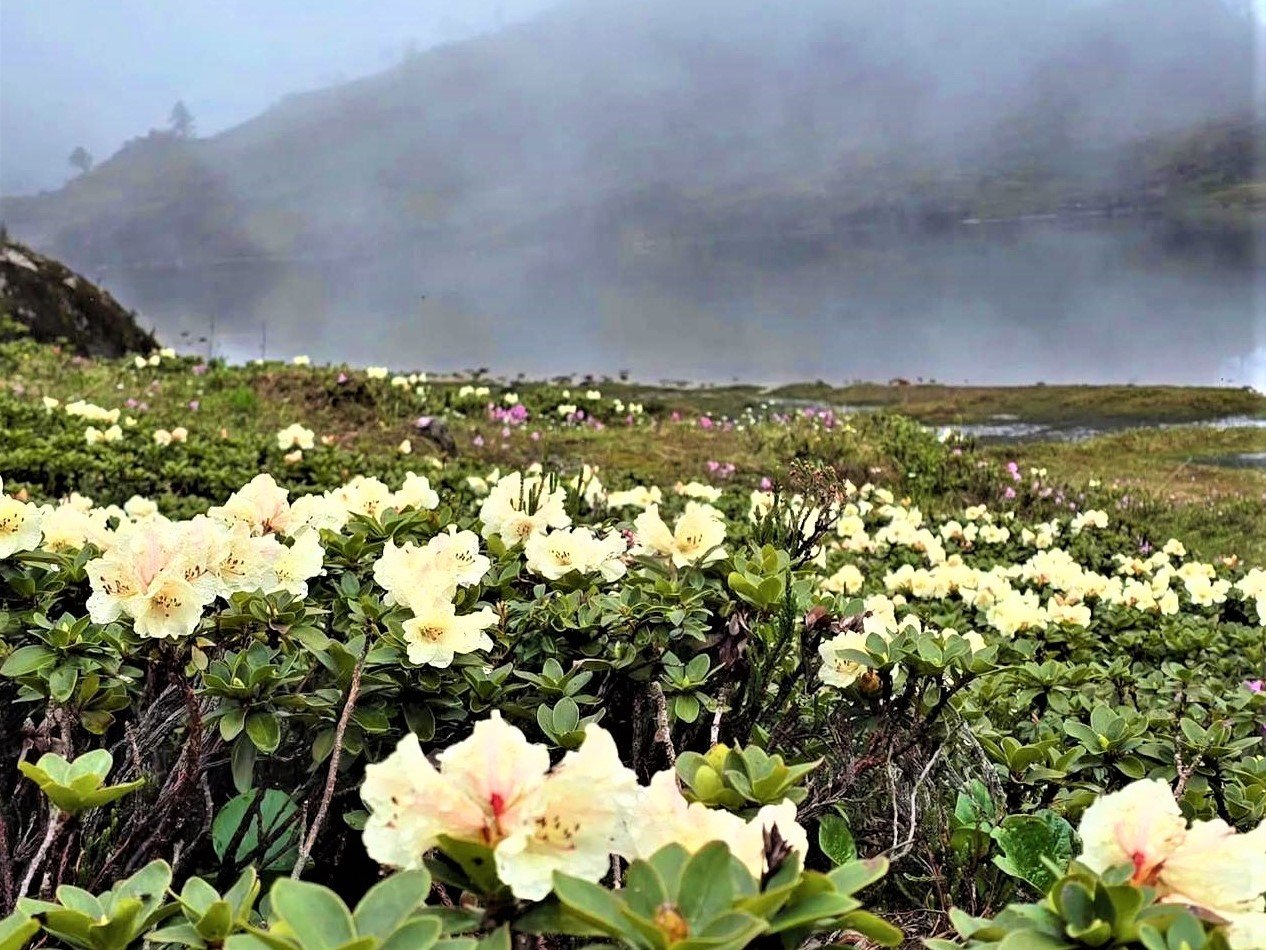
Waterfall and lake in the pristine forests of Dibang Valley
Pristine waters and forests — what community conservation protects

Community conservation: the EECEP model

65–76 km² area stewarded by four Idu Mishmi clans under EECEP model

In June 2022, the Pulu, Mitapo, Linggi and Menda clans of Elopa and Etugu villages in Lower Dibang Valley declared their ancestral customary land as the Elopa-Etugu Community Eco-Cultural Preserve (EECEP) — India's first community-conserved wet tropical grassland. The acronym EECEP, when spoken aloud, sounds like the Idu Mishmi words for "a place we have left." The Community Conserved Area (CCA) is community-funded, managed by a non-hierarchical committee of clan representatives and declared for an initial ten-year period.

40+ mammal species in a community forest

Camera trap surveys led jointly by community rangers and outside scientists have recorded over 40 mammal species in EECEP — including clouded leopard, Asiatic wild dog, Malayan sun bear, Chinese pangolin, hog deer, Asian elephant and Eastern hoolock gibbon. The adjacent Mehao Wildlife Sanctuary, four times larger, recorded only 23 species in comparable surveys. The difference is the community: the Idu Mishmi consider the hoolock gibbon human kin and its hunting is a strict taboo. The EECEP model directly challenges the assumption that formal state reserves are the only effective conservation mechanism.

Counter-narrative to mega-dams

The CCA was declared partly in response to threats from proposed large hydroelectric projects along the Dibang river and years of deforestation that forced clan members to abandon farmlands in the 1980s. EECEP is not just conservation — it is a legal and cultural assertion of land rights by an indigenous community against outside extraction pressures. Travellers should understand this context before treating the landscape as empty wilderness.

A model being studied nationally

Researchers and conservation bodies across India have begun studying EECEP as a replicable model. In April 2026, Nagaland's Kohima forest division brought CCA teams from three villages on an exposure visit to learn from the Idu Mishmi approach. The Dibang Team — the Idu Mishmi group behind the CCA — also conducts community-led research, camera trapping and youth ranger employment, keeping both knowledge and income local.

Government programmes & investments

Jan 2026

Cabinet Aapke Dwar — Anini

The Arunachal Pradesh Cabinet met at Anini under the Cabinet Aapke Dwar initiative. The Arunachal Times reported 11 projects approved for Dibang Valley, linking decentralised governance to the needs of a remote border district.

Connectivity

Road upgrades and an advanced landing ground

Reported approvals included an advanced landing ground at Anini, a road from NH 313 near Amuli toward the Anini-Dambuen BRO road up to Aliney, resurfacing toward Anelih circle and resurfacing from Gipulin village to Acheso.

Livelihood

Medicinal plant research and trout hatchery

The same package approved a high-altitude medicinal plant research centre and a trout hatchery, both framed around conservation, scientific study, local seed availability and livelihood options suited to Anini's climate and terrain.

Tourism

Growth needs carrying capacity

Awards and new roads can increase arrivals faster than waste systems, trained guides, booking transparency and community rules. Tourism planning should start with carrying capacity, not traveller volume.

Community

Community Hall at Rekho, Anini

A shared public facility for the Idu Mishmi community for festivals, civic meetings and cultural events. Infrastructure that holds a community together as outside pressures grow.